Last Saturday, I was stressed. You know the kind of stressed where you’ve accepted a last-minute dinner invitation, your house is still a disaster zone, and you have exactly forty-five minutes to make something that looks like you spent hours planning it, but doesn’t actually require hours of standing over a stove. I didn’t want to order takeout. I didn’t want to open a can of soup. I wanted something that tasted like a date night meal but cooked like a Tuesday night convenience.
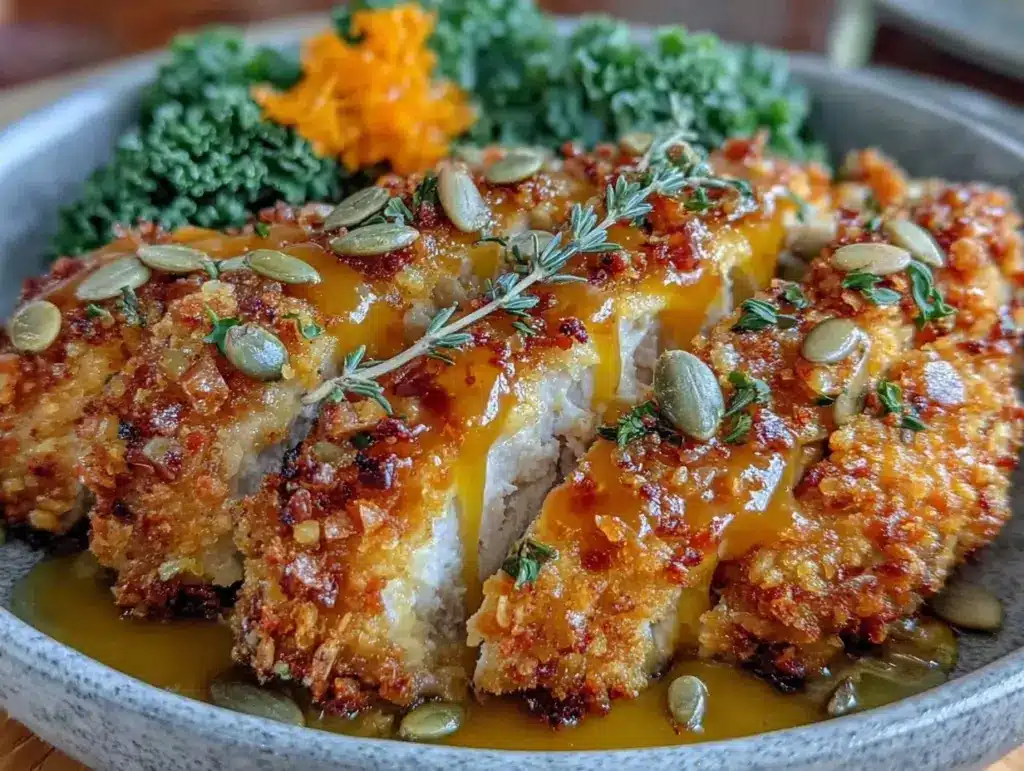
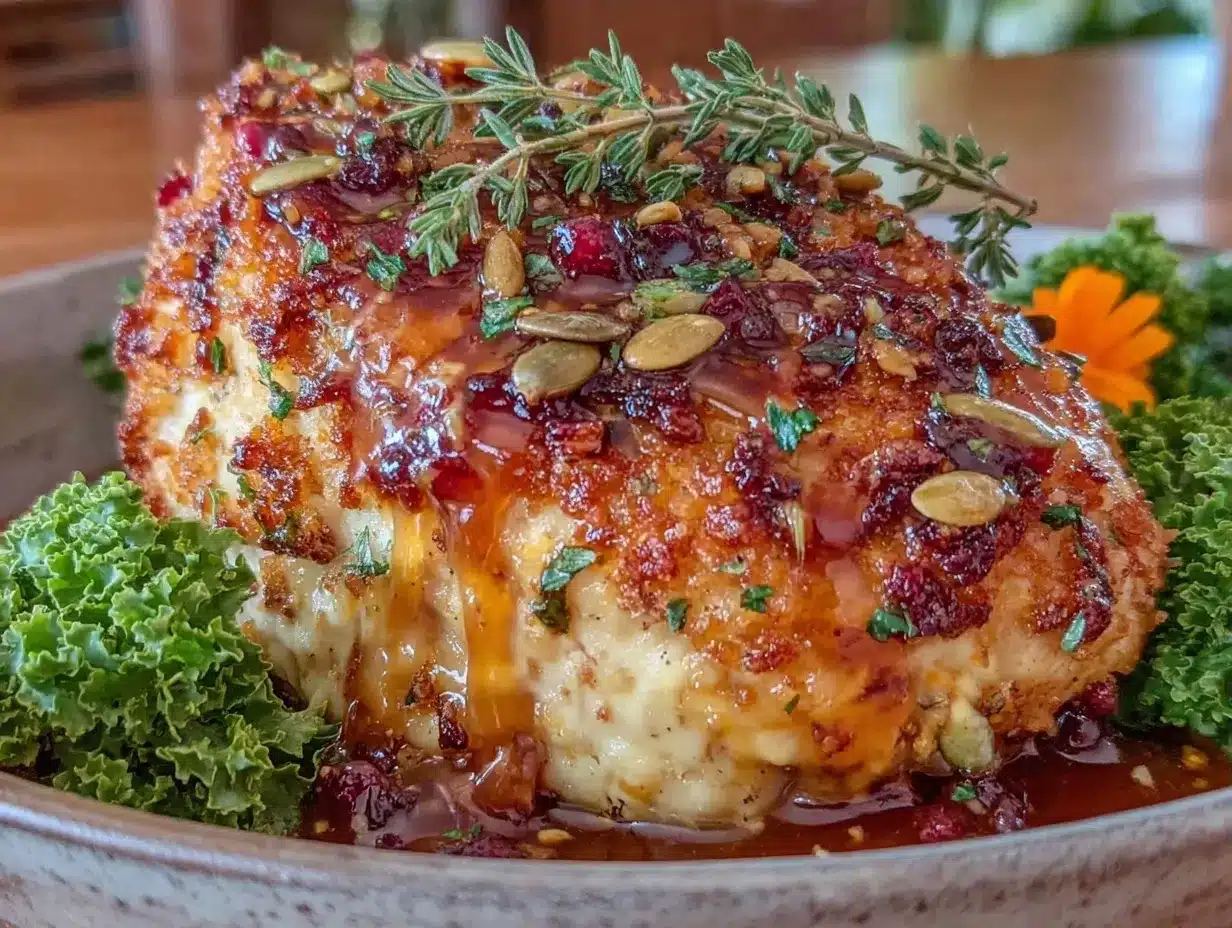
So I threw together what I now consider my secret weapon: Crispy Baked Chicken Breast with Maple Dijon Glaze. I pulled it out of the oven, drizzled the extra glaze over the top, and served it with a quick arugula salad. My guests didn’t ask if I ordered it. They asked for the recipe before the plates were even cleared.
Here’s the thing about chicken breast. It’s the most versatile protein in your fridge, but it’s also the most unforgiving. Dry, rubbery chicken is the bane of my existence. I’ve ruined enough chicken breasts to know that baking it alone usually leads to disappointment. But when you give it a high-heat crisp, a tangy-sweet glaze, and just enough fat to keep it juicy? It transforms. This isn’t just dinner; it’s a little victory in your mouth.
I’ve made this crispy baked chicken breast with maple dijon glaze at least a dozen times since that Saturday. Sometimes for family dinners, sometimes for meal prep (though I’ll admit, it’s too good for just lunch), and definitely when I want to impress without the stress. It’s sweet, it’s savory, it’s got that restaurant-quality crunch, and it’s ready in under 30 minutes. If you’re looking for a weeknight hero that actually feels special, this is it.
Why You’ll Love This Recipe
There are about ten reasons I keep coming back to this crispy baked chicken breast with maple dijon glaze, but here are the big ones that make it a permanent fixture in my rotation.
The Glaze is Addictive — Seriously, I could eat this sauce with a spoon. The combination of sweet maple syrup and sharp Dijon mustard creates this complex flavor profile that cuts through the richness of the chicken. It’s not just “sauce.” It’s the star.
Actually Crispy Skin — Most baked chicken recipes leave you with pale, soft skin. Not this one. By using a wire rack and a little trick with the oil, the skin gets shatteringly crisp. It sounds like a crunch when you bite in. It’s satisfying in a way that boiled chicken never is.
Stays Juicy (Finally) — Chicken breast has a reputation for being dry. I’ve tested this method so many times, and I can promise you: if you don’t overcook it (and the glaze helps you monitor that), the meat stays tender and juicy. It’s not a dry hockey puck. It’s actually delicious.
Impressive but Lazy — This is the perfect “I didn’t try too hard” dish. It looks elegant on the plate, perfect for a dinner party or a cozy night in, but the prep is minimal. You mix the glaze, rub the chicken, and bake. That’s it. No complex techniques. No fancy equipment.
Versatile Pairings — This chicken plays well with others. It goes great with roasted vegetables, mashed potatoes, or a simple green salad. I also love it cold the next day in a sandwich with some mayo and pickles. It’s a true workhorse.
This recipe has saved my dinner parties. It’s my go-to when I want to feel like a good host but also want to sit down and eat with my guests. It’s comforting yet sophisticated, sweet yet savory. Just perfect.
Ingredients You’ll Need
Here’s the best part: you probably have most of this already in your pantry. I’m particular about a few things here, but nothing you can’t swap if needed.
For the Chicken
Chicken breasts (4 boneless, skin-on, about 6-8 oz each) — I insist on skin-on. The skin crisps up and protects the meat from drying out. If you only have boneless, skinless, you can use those, but you’ll need to watch the oven closely so they don’t turn to leather. Pat them dry! Wet skin doesn’t crisp.
High-smoke point oil (2 tablespoons) — Avocado oil or grapeseed oil works best here because we’re baking at a high temp. Olive oil is fine, but it can burn slightly at 425°F. I keep avocado oil in my pantry specifically for high-heat roasting.
Garlic powder (1 teaspoon) — Not fresh garlic here for the rub, because fresh garlic burns before the chicken cooks. Garlic powder gives that savory base flavor without the char.
Smoked paprika (½ teaspoon) — This adds a subtle depth and a beautiful reddish hue. It’s not spicy, just smoky. If you don’t have it, regular paprika works, but smoked is better.
Salt and black pepper (to taste) — Don’t be shy with the salt. It needs to penetrate the meat.
For the Maple Dijon Glaze
Maple syrup (¼ cup) — Use real maple syrup, not the pancake syrup stuff with corn syrup. The flavor difference is night and day. Look for the grade B or dark amber for a richer taste.
Dijon mustard (2 tablespoons) — This provides the tang to balance the sweet. Grey Poupon or any good quality Dijon works. Avoid the cheap yellow mustard; it lacks the complexity we need.
Apple cider vinegar (1 tablespoon) — This cuts the sweetness and adds brightness. It’s the secret ingredient that keeps the glaze from being cloying.
Honey (1 tablespoon) — Just a little extra sweetness to help the glaze caramelize and stick to the chicken.
Garlic (1 clove, minced) — Yes, fresh garlic in the glaze. Since it’s mixed with liquid and sugar, it won’t burn like it would on the dry rub. It adds a fresh, aromatic punch.
Butter (1 tablespoon, melted) — This adds richness and helps the glaze cling to the chicken. It also helps with browning.
Optional Add-ins
Thyme or rosemary — Fresh herbs sprinkled on top after baking add a lovely fragrance and visual appeal. I love this for presentation when I’m serving guests.
Equipment Needed
You don’t need fancy equipment for this. Here’s what I actually use.
Wire cooling rack — This is non-negotiable for crispy skin. Placing the chicken on a rack over a baking sheet allows air to circulate underneath. If you skip this, the bottom gets soggy. I use a standard wire rack from the hardware store.
Baking sheet — A standard half-sheet pan works. Line it with foil for easy cleanup, though the rack makes cleanup easier anyway.
Small mixing bowl — For whisking the glaze together. A ramekin works too.
Pastry brush — For applying the glaze. Silicone brushes are easier to clean than bristle ones.
Instant-read thermometer — The best way to ensure juicy chicken. I hate guessing. If your chicken hits 165°F, it’s done. If it’s 160°F, take it out; the residual heat will finish it.
Sharp knife and cutting board — For mincing the garlic and prepping the chicken.
That’s it. No special gadgets. Just basic kitchen tools. If you have a baking sheet and a bowl, you’re good to go.
How to Make It: Step-by-Step
Alright, let’s make this! I’m walking you through exactly how I do it, including the little tricks I’ve picked up to ensure that perfect crisp.
Step 1: Prep the Chicken (5 minutes)
Preheat your oven to 425°F (220°C). High heat is key for crispiness. While it heats, pat your chicken breasts thoroughly dry with paper towels. This is crucial. Moisture is the enemy of crisp skin. If they’re wet, they’ll steam instead of roast.
Season the chicken generously with salt, pepper, garlic powder, and smoked paprika. Rub it in well, especially under the skin if you can gently slide your finger underneath to loosen it a bit. This infuses the meat with flavor.
Step 2: Set Up the Rack (2 minutes)
Line a baking sheet with foil (for easy cleanup) and place the wire rack on top. Lightly oil the rack. Place the chicken breasts on the rack, skin-side up. This ensures even cooking and prevents the bottom from getting soggy in any juices that render out.
Step 3: Make the Glaze (3 minutes)
In a small bowl, whisk together the maple syrup, Dijon mustard, apple cider vinegar, honey, melted butter, and minced garlic. It should be smooth and well-combined. Don’t worry if it looks a bit thin; it’ll thicken as it bakes.
Step 4: Bake and Glaze (20-25 minutes)
Place the chicken in the preheated oven. Bake for 15 minutes. After 15 minutes, pull the rack out. Brush half of the glaze over the top of each chicken breast. The heat will start to caramelize the sugars.
Return to the oven and bake for another 5-10 minutes. Brush with the remaining glaze halfway through this second phase if you want extra sticky goodness. You’re looking for the chicken to reach an internal temperature of 165°F (74°C). The glaze should be bubbly and caramelized, with a nice amber color.
Step 5: Rest and Serve (5 minutes)
Remove the chicken from the oven. Let it rest on the rack for at least 5 minutes before cutting. This allows the juices to redistribute. If you cut into it immediately, all the juice runs out, and you’re left with dry chicken. Trust me, the 5 minutes is worth it.
Serve immediately, drizzled with any extra glaze from the pan. Garnish with fresh herbs if you’re feeling fancy.
Expert Tips & Tricks
Here’s everything I’ve learned from making this dozens of times. These tips will save you from my mistakes.
Don’t Skip the Rack — I know, it’s extra dishware. But if you bake the chicken directly on the pan, the bottom gets soggy. The rack allows hot air to circulate, ensuring the skin crisps all around. It makes a huge difference.
Pat Dry, Pat Dry, Pat Dry — I can’t stress this enough. If your chicken is wet, the skin won’t crisp. Use paper towels and be thorough. If you’re buying pre-packaged chicken, it’s often wet. Dry it off.
Watch the Glaze — Maple syrup burns. If your oven runs hot, keep an eye on the chicken during the last 5 minutes. If the glaze is getting too dark, you can tent it loosely with foil. But usually, 425°F is perfect for caramelization without burning.
Use a Thermometer — Chicken breasts vary in thickness. A thermometer takes the guesswork out. Pull it at 160°F and let it rest. It’ll finish cooking to 165°F and stay juicy. Overcooked chicken is dry chicken, and no glaze can fix that.
Make Extra Glaze — I always make a little extra glaze. Some people like to dip their chicken in it, and it’s delicious drizzled over roasted vegetables or even mashed potatoes later.
Variations & Substitutions
Once you’ve nailed the basic version, here’s how you can mix it up. I’ve tried all of these.
Spicy Maple Dijon — Add ½ teaspoon of cayenne pepper or a dash of hot sauce to the glaze. It adds a nice kick that balances the sweet. I love this for game day.
Honey Mustard Swap — If you don’t have maple syrup, use honey. It’s slightly less complex but still delicious. The Dijon provides the tang either way.
Veggie Side — I often roast Brussels sprouts or carrots on the same baking sheet, underneath the chicken. They catch the drippings and get caramelized and delicious. Just add them to the pan in the last 20 minutes of cooking.
Herb Variation — Swap the paprika for dried thyme or oregano in the rub. It changes the flavor profile to be more Mediterranean. Still great.
Serving & Storage
How to Serve: I usually serve this with a simple arugula salad tossed with lemon vinaigrette to cut the richness. Or, if I’m feeling indulgent, I pair it with creamy mashed potatoes or roasted sweet potatoes. It’s also fantastic in a sandwich the next day.
Leftovers: Store leftover chicken in an airtight container in the fridge for up to 3 days. The glaze will thicken as it cools.
Reheating: To reheat, I recommend using an oven or toaster oven at 350°F for 10-15 minutes. This helps recrisp the skin. Microwave reheating will make the skin soggy, so avoid that if you care about texture. If you must microwave, do it on a low setting and for short intervals.
Freezing: This recipe doesn’t freeze well. The glaze can separate upon thawing, and the chicken texture can suffer. It’s best enjoyed fresh. If you have leftovers, eat them within 3 days.
Nutrition Information
I’m not a nutritionist, but here’s the breakdown if you’re tracking. This is per serving (1 chicken breast with glaze).
- Calories: 320
- Protein: 35g
- Carbs: 12g
- Fat: 14g
- Sugar: 10g
It’s a high-protein meal with moderate carbs from the glaze. The sugar comes from the maple syrup and honey, but it’s balanced by the protein and fat, so it doesn’t spike blood sugar as much as you might think. It’s a solid, balanced dinner option.
Final Thoughts
So that’s my go-to crispy baked chicken breast with maple dijon glaze! I’ve probably talked your ear off at this point, but when you make a recipe this often, you have a lot to say about it.
This has saved weeknight dinners more times than I can count. It’s my answer to “what’s for dinner” when I’m tired, don’t want takeout, and still want something that tastes really good. My family is happy, my guests are impressed, and I’m happy because I’m not stressed about cooking.
Make it yours! Try different herbs, swap the glaze flavors, or add veggies to the pan. The best recipes are the ones you adapt to your family’s tastes. If you make this, drop a comment and let me know what you think! I love hearing how recipes turn out in your kitchen.
Happy cooking! And I hope your kitchen smells half as good as mine does right now.
Frequently Asked Questions
Can I use boneless, skinless chicken breasts?
You can, but the skin is what makes this recipe special. Without the skin, you won’t get that crispy texture. If you use skinless breasts, reduce the baking time by 5 minutes to prevent drying out. You can also brush them with a little oil before baking to help them brown.
Why did my glaze burn?
Maple syrup has a low smoke point and burns easily. If your oven runs hot, check the chicken a few minutes early. You can also tent it with foil if the glaze is getting too dark. Lowering the oven temperature to 400°F can also help prevent burning while still cooking the chicken through.
Can I make this ahead of time?
You can prep the chicken and mix the glaze ahead of time, but I recommend doing it right before baking. The glaze is best applied fresh so it caramelizes properly. If you apply it too early, it might make the skin soggy before it goes in the oven.
What sides go well with this?
I love serving this with roasted vegetables like Brussels sprouts, carrots, or green beans. A simple green salad with a lemon vinaigrette also works well to cut the sweetness. Mashed potatoes or rice are great if you want something heartier.
Is this recipe similar to other chicken dishes?
It has a similar sweet-and-savory profile to crispy baked honey garlic chicken thighs, but with a tangier twist from the Dijon. It’s also great if you like the flavor profile of sheet pan teriyaki chicken, but with a more American comfort-food vibe.
Can I double this recipe?
Absolutely! Just make sure you have enough room on your baking sheets. Don’t overcrowd the chicken, or it will steam instead of roast. Use two pans if necessary, and rotate them halfway through baking for even cooking.
Pin This Recipe!
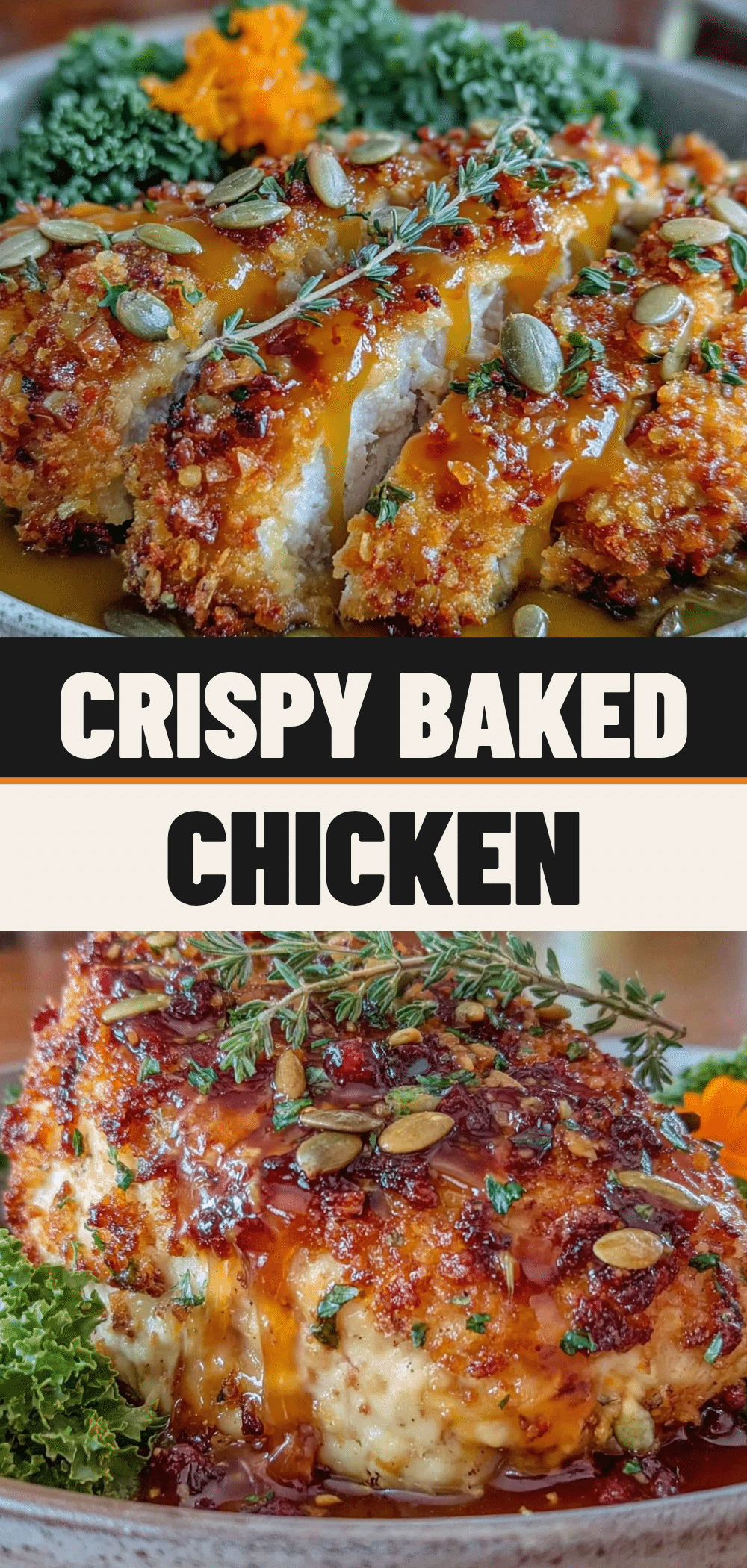
Crispy Baked Chicken Breast with Maple Dijon Glaze
- Total Time: 35 minutes
- Yield: 4 servings 1x
Description
A weeknight-friendly dinner featuring juicy, skin-on chicken breasts baked at high heat for a shatteringly crisp texture, finished with a tangy-sweet maple and Dijon glaze.
Ingredients
- 4 boneless, skin-on chicken breasts (6–8 oz each)
- 2 tablespoons high-smoke point oil (avocado or grapeseed)
- 1 teaspoon garlic powder
- 1/2 teaspoon smoked paprika
- Salt and black pepper to taste
- 1/4 cup real maple syrup
- 2 tablespoons Dijon mustard
- 1 tablespoon apple cider vinegar
- 1 tablespoon honey
- 1 clove garlic, minced
- 1 tablespoon butter, melted
- Fresh thyme or rosemary for garnish (optional)
Instructions
- Preheat oven to 425°F (220°C).
- Pat chicken breasts thoroughly dry with paper towels to ensure crispy skin.
- Season chicken generously with salt, pepper, garlic powder, and smoked paprika, rubbing it in well.
- Line a baking sheet with foil and place a wire rack on top. Lightly oil the rack.
- Place chicken breasts on the rack, skin-side up.
- In a small bowl, whisk together maple syrup, Dijon mustard, apple cider vinegar, honey, melted butter, and minced garlic.
- Bake chicken for 15 minutes.
- Remove from oven and brush half of the glaze over each chicken breast.
- Return to oven and bake for another 5-10 minutes, brushing with remaining glaze halfway through if desired.
- Chicken is done when internal temperature reaches 165°F (74°C).
- Remove from oven and let rest on the rack for 5 minutes before serving.
Notes
Patting the chicken dry is crucial for crispy skin. Use a wire rack to allow air circulation and prevent soggy bottoms. Maple syrup can burn, so watch closely during the last few minutes of baking. Resting the chicken for 5 minutes ensures juiciness.
- Prep Time: 10 minutes
- Cook Time: 25 minutes
- Category: Main Course
- Cuisine: American
Nutrition
- Serving Size: 1 chicken breast wit
- Calories: 320
- Sugar: 10
- Sodium: 400
- Fat: 14
- Saturated Fat: 4
- Carbohydrates: 12
- Protein: 35
Keywords: crispy baked chicken, maple dijon glaze, weeknight dinner, juicy chicken breast, easy chicken recipe, high heat baking


