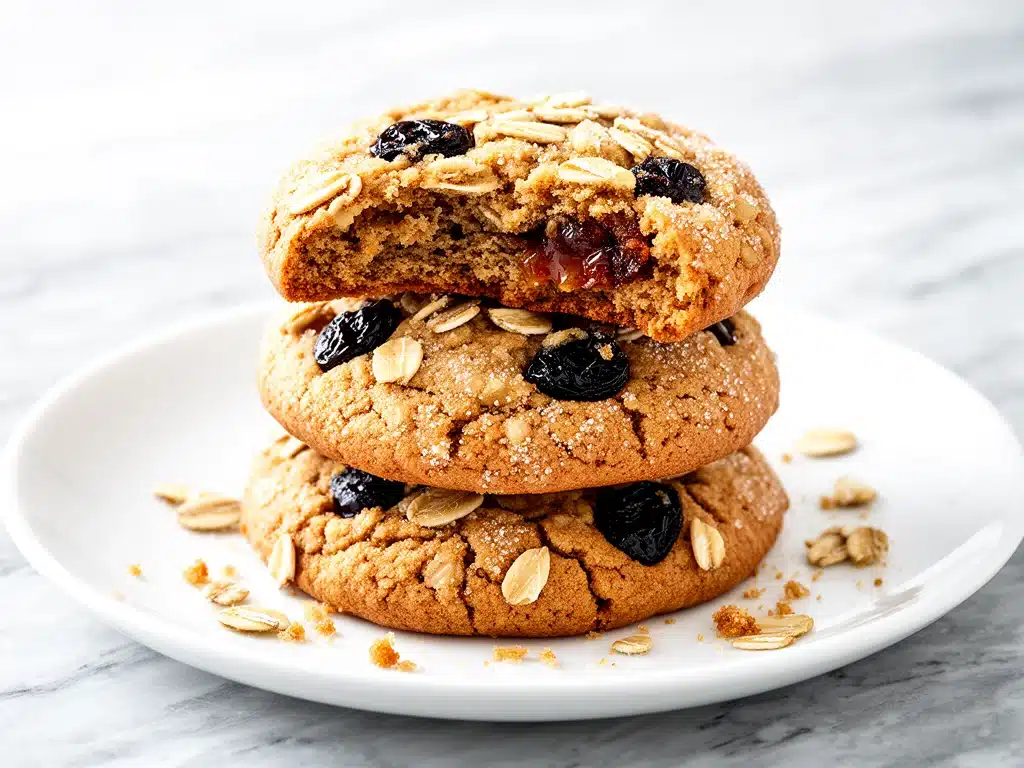
Let’s be real for a second. I used to be that person who picked the raisins out. You know the type. The one who scraped them off onto the napkin like they were tiny, wrinkly pests invading the cookie party. But then, something changed. Maybe it was the weather getting colder, or maybe it was just the fact that I’d eaten one too many store-bought oatmeal cookies that tasted like cardboard and regret. I decided to give them another chance—properly this time. I wanted a cookie that wasn’t just a vehicle for dried fruit, but a standalone hero of flavor and texture.
So, I went into my kitchen and started testing. And testing. And testing. I’ve made this chewy brown sugar oatmeal raisin cookie recipe at least a dozen times in the last six weeks. There was a batch where I used too much baking soda and they spread into crispy lace sheets (not bad, but not what I wanted). There was another batch where I undercooked them because I was distracted by a phone call, and they were raw in the middle (do not do this). But then, I hit the sweet spot. The exact balance of molasses-rich brown sugar, toasted oats, and plump raisins that gave me that perfect soft-center, slightly crisp-edge chew that makes you close your eyes when you take a bite.
This isn’t just another cookie recipe from a box. This is the best soft oatmeal raisin cookie I’ve ever had, and I’m saying that as someone who usually gravitates toward chocolate chip. These cookies are thick, chewy, and deeply flavored with cinnamon and brown sugar. They smell like a bakery window display the moment they come out of the oven. My kids, who previously declared raisins “gross,” have actually started asking for these specifically. I’m not sure if it’s the smell or the fact that they’re so soft they melt in their mouths, but either way, I’m not complaining.
What I love most about this chewy brown sugar oatmeal raisin cookie recipe is how forgiving it is. You don’t need fancy equipment. You don’t need to temper chocolate or proof yeast. You just need a few pantry staples and about 20 minutes of active time. It’s the kind of baking that feels like a hug. It’s comforting, reliable, and makes your whole house smell incredible. If you’re tired of dry, crumbly oatmeal cookies that fall apart before you can finish them, you need to stop scrolling and start mixing. This is the recipe you’ll make on repeat. I promise.
Why You’ll Love This Chewy Brown Sugar Oatmeal Raisin Cookie Recipe
There are a million cookie recipes out there. So why this one? Why spend your weekend baking when you could be napping? Because this specific combination of ingredients creates a texture and flavor profile that is genuinely unmatched. I’ve tested dozens of variations, and this one keeps winning. Here’s exactly why these cookies have taken over my kitchen (and probably your heart soon).
Actually Chewy (Not Crispy)
Most oatmeal cookie recipes end up crunchy. Like, “crunchy like a biscuit” crunchy. I don’t want that. I want that soft, pillowy center that gives way to a slight snap on the outside. The secret? A higher ratio of brown sugar to white sugar, and a slightly longer chill time. This chewy brown sugar oatmeal raisin cookie stays soft for days. Seriously. I keep them in an airtight container, and they stay chewy for up to five days. That’s huge for meal-prepping your dessert or having a ready-to-eat treat for unexpected guests.
Deep, Molasses Flavor
Brown sugar isn’t just sweet; it’s complex. It brings that hint of caramel and molasses that makes the cookie taste rich and mature. When you use dark brown sugar (and I strongly recommend it), the flavor is intense and warm. It pairs perfectly with the cinnamon and the earthiness of the oats. It’s not just “sweet cookie”; it’s a sophisticated flavor profile that feels like autumn in a bite.
Perfectly Balanced Raisins
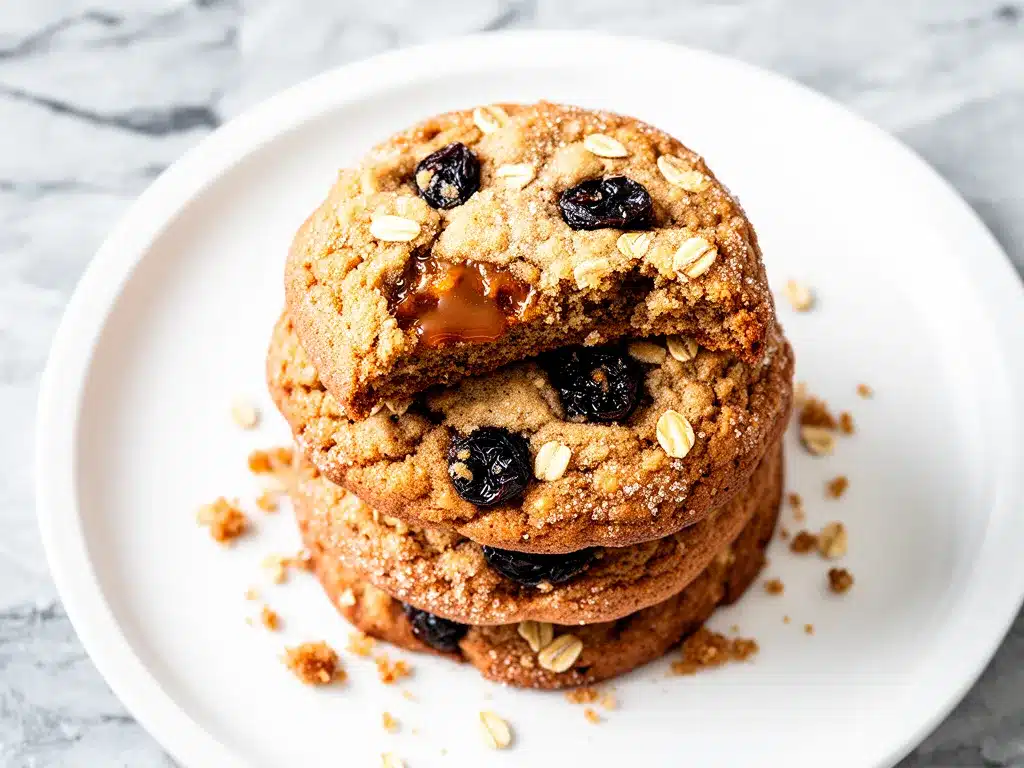
I know, I know. Raisins are polarizing. But in this recipe, they aren’t the enemy. Because the cookies are so rich and sweet from the brown sugar, the tartness of the raisins actually cuts through it beautifully. They plump up in the dough and provide little bursts of juicy sweetness. They don’t get dry or shriveled because they’re surrounded by the moist dough. If you’re a raisin hater, you can swap them for dried cranberries or white chocolate chips (more on that in the variations), but trust me, give the raisins a fair shot here.
One-Bowl Simplicity
Who has time for ten bowls? I certainly don’t. This recipe is a true one-bowl wonder. You cream the butter and sugars, mix in the eggs and vanilla, stir in the dry ingredients, and fold in the mix-ins. That’s it. No fancy stand mixer required (though a hand mixer works fine). It’s easy enough for a teenager to make, which is exactly why I let my son handle the mixing on weekends. It’s low-stress, high-reward baking.
Budget-Friendly Ingredients
Unlike some fancy cookie recipes that call for almond flour, exotic spices, or high-end chocolate, this one uses basics. Flour, sugar, butter, oats, raisins, cinnamon. You likely have 90% of this in your pantry right now. It’s an affordable way to satisfy a sweet tooth without breaking the bank. Plus, making them at home means you control the sugar content, which is always a win for my waistline.
So basically, these cookies are cheap, easy, delicious, and stay chewy. What more could you want? They’re my answer to “what’s for dessert?” when I don’t want to make a whole cake or pie. They’re perfect for lunchboxes, office potlucks, or just eating straight out of the jar while doing dishes. (Don’t judge me. It’s a valid life hack.)
Ingredients You’ll Need for Chewy Brown Sugar Oatmeal Raisin Cookies
Here’s the good news: this ingredient list is straightforward. No weird chemicals, no hard-to-find items. Just real, simple food. I’m particular about a few things here, mostly the quality of the butter and the type of oats, because those make the biggest difference in texture. Let’s break down what you need and why.
For the Dough Base
Unsalted butter (1 cup / 225g, softened) — This is crucial. Softened, not melted. If you melt the butter, your cookies will spread too thin and become crispy. If it’s too cold, it won’t cream properly with the sugar. I leave my butter out on the counter for about an hour before I start. If you’re in a rush, you can cube it and microwave it for 10-second bursts, but watch it closely. You want it cool to the touch but yielding when you press it.
Dark brown sugar (1 cup / 200g, packed) — I use dark brown sugar because it has more molasses, which gives that deep, rich flavor. Light brown sugar works too, but the cookies won’t be as chewy or flavorful. Make sure you pack it into the measuring cup so you get the right density.
Granulated white sugar (½ cup / 100g) — This adds structure and helps with the slight crispness on the edges. It balances out the moisture from the brown sugar. Don’t skip it, or the cookies might be too cake-like.
Eggs (2 large, room temperature) — Room temperature eggs incorporate better into the butter mixture, creating a smoother, more uniform dough. Cold eggs can cause the butter to seize up a bit. I usually take them out of the fridge while the butter is softening.
Vanilla extract (2 teaspoons) — Use real vanilla, not imitation. It makes a noticeable difference in the flavor depth. I keep a bottle of pure vanilla in my pantry at all times.
For the Dry Mix
All-purpose flour (2 cups / 250g) — Standard flour works perfectly. Don’t try to substitute with cake flour unless you want them very tender and fragile. All-purpose gives that perfect chew.
Baking soda (1 teaspoon) — This helps the cookies spread and brown. Make sure it’s fresh! Old baking soda won’t activate properly, and your cookies will be dense bricks. If your baking soda has been sitting in the back of the cabinet for three years, toss it and buy new. I test mine by dropping a little vinegar on it—if it doesn’t fizz, it’s dead.
Baking powder (½ teaspoon) — Just a little bit to give them some lift. It balances the spreading power of the baking soda.
Cinnamon (1 teaspoon) — Ground cinnamon. It’s the classic pairing with oats and raisins. I like a good amount of cinnamon because it warms up the whole cookie.
Salt (½ teaspoon) — Yes, salt in a sweet cookie. It enhances the flavor and cuts the sweetness. Don’t skip it. It’s what makes the brown sugar taste like brown sugar and not just plain sugar.
The Mix-Ins
Rolled oats (2 cups / 160g) — Use old-fashioned rolled oats, not quick oats. Quick oats are too fine and will make the cookies dense and gummy. Rolled oats give that classic chewy texture and visible oat pieces. I love the heart-shaped ones, but any rolled oats work.
Raisins (1 cup / 150g) — Standard dark raisins. If you want plumper raisins, soak them in hot water for 10 minutes and drain them before adding. I usually skip this step because I like the slight tartness, but it’s a personal preference. Golden raisins are also an option if you want a milder, sweeter flavor.
Optional: Walnuts or Pecans (½ cup, chopped) — I don’t always add nuts because my kids are picky, but if you like crunch, toss them in. Toasting the nuts first adds an extra layer of flavor.
Pro Tip: I always measure my flour by spooning it into the cup and leveling it off. Scooping directly from the bag packs it down, and you end up with too much flour, leading to dry cookies. It’s a small step that makes a big difference.
Equipment You’ll Need
You don’t need a lot of fancy gear for this. Here’s what I actually use, along with some honest opinions on what’s necessary.
Large mixing bowl — I use a 4-quart stainless steel bowl. It’s big enough to mix everything without flour flying everywhere. A glass bowl works too, just make sure it’s sturdy.
Mixer — A hand mixer is perfect for this. It’s easier to clean than a stand mixer, and you don’t need to attach a paddle. If you don’t have a mixer, you can use a wooden spoon, but it’ll take some arm muscle. I usually mix the butter and sugars by hand for the first minute to warm them up, then use the mixer.
Measuring cups and spoons — Standard stuff. I prefer metal measuring cups for dry ingredients because they’re more accurate. For liquids, I use glass measuring cups.
Baking sheets — I use two half-sheet pans. Dark metal pans are fine, but they brown faster. If you’re using dark pans, lower your oven temperature by 25 degrees to prevent burning. I have both light and dark pans, and I rotate them halfway through baking.
Parchment paper — Non-negotiable. I line my baking sheets with parchment. It prevents sticking and makes cleanup a breeze. I don’t use silicone mats for this recipe because I want the cookies to get a little color on the bottom, and parchment allows for that better.
Cooling rack — Essential. Letting cookies cool on the hot pan will continue to cook them and make them dry. Transfer them to a rack after 5 minutes to stop the cooking process.
How to Make Chewy Brown Sugar Oatmeal Raisin Cookies
Alright, let’s get baking! This process is straightforward, but there are a few key moments where attention to detail makes the difference between good and great. I’m walking you through exactly how I do it, step by step.
Step 1: Prep Your Oven and Pans (5 minutes)
Preheat your oven to 350°F (175°C). This is the standard temperature for oatmeal cookies—it allows them to set before they spread too much. Line your baking sheets with parchment paper. If you don’t have parchment, you can use a light coat of butter or non-stick spray, but parchment is so much easier.
Step 2: Cream the Butter and Sugars (3-4 minutes)
In a large bowl, beat the softened butter, brown sugar, and white sugar together until light and fluffy. This is the most important step for texture. If you’re using a hand mixer, beat on medium-high for about 3 minutes. The mixture should look pale and airy. If you’re doing it by hand, it’ll take about 5 minutes of vigorous stirring. This incorporates air, which helps the cookies rise slightly and stay chewy.
Step 3: Add Wet Ingredients (1 minute)
Beat in the eggs one at a time, mixing well after each addition. Then add the vanilla extract. Scrape down the sides of the bowl with a spatula to make sure everything is incorporated. The mixture might look a little curdled at first—that’s normal. It will come together in the next step.
Step 4: Mix Dry Ingredients (2 minutes)
In a separate bowl (or just dump it in if you’re lazy, but a separate bowl ensures even distribution), whisk together the flour, baking soda, baking powder, cinnamon, and salt. Pour the dry ingredients into the wet mixture. Mix on low speed just until the flour disappears. Do not overmix! Overmixing develops gluten, which makes cookies tough. You want them tender and chewy, not bread-like. It should take about 30-60 seconds of mixing.
Step 5: Fold in Oats and Raisins (1 minute)
Switch to a spatula or a wooden spoon. Fold in the rolled oats and raisins until evenly distributed. At this point, the dough should be thick and sticky. If it feels too dry, add a tablespoon of milk. If it’s too wet, add a tablespoon of flour. It should hold together when pinched.
Step 6: Chill the Dough (Optional but Recommended)
Here’s a pro tip: if you have time, chill the dough for 30 minutes to an hour. This solidifies the butter, which means the cookies won’t spread as much in the oven. You’ll get thicker, chewier cookies instead of flat, crispy ones. I usually chill them if I’m planning ahead, but if I’m craving cookies *now*, I skip this step and just bake them immediately. They’ll still be good, just slightly thinner.
Step 7: Scoop and Bake (12-14 minutes)
Scoop the dough into balls (about 2 tablespoons each) and place them on the prepared baking sheets, spacing them about 2 inches apart. They will spread. Bake for 12-14 minutes. You want the edges to be lightly golden, but the centers to still look soft and slightly underdone. This is key for chewiness. If you bake them until the center looks firm, they’ll be dry once they cool.
Step 8: Cool and Serve (10 minutes)
Let the cookies sit on the baking sheet for 5 minutes. This allows them to set. Then, transfer them to a cooling rack to cool completely. Eat them warm for the best texture, or save them for later. They’re amazing fresh out of the oven, but they also store well.
Expert Tips & Tricks for Perfect Cookies
Here’s everything I’ve learned from making these cookies dozens of times. These tips will save you from my mistakes and guarantee success.
Don’t Overbake
This is the #1 mistake people make. Oatmeal cookies continue to cook on the hot pan after you take them out of the oven. Pull them when they look slightly underdone in the center. The residual heat will finish cooking them, leaving that perfect chewy center. If you wait until they look perfect in the oven, they’ll be hard when they cool.
Use Room Temperature Butter
I can’t stress this enough. Cold butter doesn’t cream properly. Melted butter makes cookies spread too much. Softened, room-temperature butter is the goldilocks zone. It creates that airy, fluffy texture that turns into chewy cookies.
Measure Flour Correctly
Flour is the enemy of chewy cookies if you use too much. Spoon it into the cup and level it off. Never scoop directly from the bag. I’ve lost count of how many dry cookies I’ve made because I was impatient with measuring.
Chill for Thickness
If you want thick, bakery-style cookies, chill the dough. If you want thin, crispy cookies, bake immediately. For this chewy brown sugar oatmeal raisin cookie recipe, I recommend chilling for at least 30 minutes.
Double-Check Your Baking Soda
Fresh baking soda is crucial. If it’s old, your cookies won’t spread or rise properly. Test it with vinegar before you start baking. It’s a 10-second check that saves you a batch of dense cookies.
Variations & Substitutions
Once you’ve mastered the basic version, here’s how you can mix it up. I’ve tried all of these, and they’re all winners in their own right.
Chocolate Chip Oatmeal Cookies
Swap the raisins for semi-sweet chocolate chips. I use about 1 cup of chips. This is my husband’s favorite version. It’s like a hybrid of oatmeal and chocolate chip. Rich, gooey, and perfect.
White Chocolate Cranberry Cookies
Swap raisins for dried cranberries and add 1 cup of white chocolate chips. The tartness of the cranberries pairs beautifully with the sweetness of the white chocolate. It’s a festive version that’s great for holidays.
Gluten-Free Version
Use a 1:1 gluten-free flour blend. Make sure it contains xanthan gum, or add ½ teaspoon yourself. The texture will be slightly different, but still delicious. I’ve used Bob’s Red Mill blend and it works great.
Vegan Version
Replace butter with vegan butter sticks (not tub margarine). Replace eggs with flax eggs (2 tablespoons ground flaxseed mixed with 6 tablespoons water, let sit for 5 minutes). Use vegan chocolate chips if adding those. They hold up well and stay chewy.
Nutty Variation
Add ½ cup of chopped walnuts or pecans. Toast the nuts in a dry pan for 2-3 minutes before adding for extra flavor. This adds a nice crunch that contrasts with the chewy oats.
Spice It Up
Add ½ teaspoon of nutmeg or allspice along with the cinnamon. It adds a warm, complex flavor that’s great for fall. I sometimes add a pinch of cardamom for a unique twist.
Serving & Storage
How to enjoy these cookies and keep them fresh.
Serving Suggestions
I usually serve these warm, right out of the oven, with a cold glass of milk. It’s the classic combo for a reason. They’re also great for lunchboxes, office parties, or as a snack with coffee. If you’re having guests, pair them with a simple green salad or some fruit to balance the sweetness. They travel well in a tin, making them perfect for gift-giving.
Storage Instructions
Room Temperature: Store in an airtight container at room temperature for up to 5 days. Place a slice of bread in the container with the cookies—the cookies will absorb the moisture from the bread and stay soft. This is a grandma trick that actually works.
Refrigerator: Not recommended. The fridge dries out cookies. Only store them in the fridge if your house is very hot and humid.
Freezer: Yes! You can freeze the dough balls. Scoop them onto a baking sheet, freeze until solid, then transfer to a freezer bag. Bake straight from frozen, adding 1-2 minutes to the bake time. You can also freeze baked cookies for up to 3 months. Thaw at room temperature before eating.
Reheating
If your cookies have stiffened up a bit, microwave them for 10-15 seconds. They’ll soften right up. Or, warm them in a 300°F oven for 5 minutes.
Nutrition Information
I’m not a nutritionist, but here’s the breakdown if you’re tracking. Keep in mind that these are estimates and can vary based on exact ingredients used.
Per Cookie (makes about 24 cookies):
- Calories: 180
- Protein: 3g
- Carbs: 28g
- Fiber: 1g
- Sugar: 16g
- Fat: 8g
- Saturated Fat: 5g
- Cholesterol: 20mg
- Sodium: 120mg
What’s Good: They provide some energy from oats and raisins. Oats have fiber, and raisins have antioxidants. It’s a better treat than a candy bar, though still indulgent.
What to Know: High in sugar and saturated fat due to butter and brown sugar. Enjoy in moderation. If you want to lighten it up, you can reduce the sugar by ¼ cup, though it will affect texture.
Dietary Notes: Contains gluten, dairy, eggs. Can be made gluten-free or vegan with substitutions. Not suitable for nut allergies if using nuts.
Final Thoughts
So that’s my go-to chewy brown sugar oatmeal raisin cookie recipe! I’ve talked your ear off, I know, but when you find a recipe that works this well, you have to share it. These cookies have saved my dessert game on multiple occasions. They’re my answer to “what can I bring to the potluck?” or “what can I bake when I’m bored?” They’re reliable, delicious, and make everyone happy.
Make it yours! Try different mix-ins, adjust the spices, or play with the baking time to get your preferred chewiness. The best recipes are the ones you adapt to your taste. If you make these cookies, I’d love to hear how they turn out. Drop a comment and let me know if you added nuts or swapped the raisins. And if you struggle with anything, ask me—I’m here to help.
Happy baking! I hope your kitchen smells amazing and your cookies are perfectly chewy.
Frequently Asked Questions
Can I use quick oats instead of rolled oats?
You can, but the texture will be different. Quick oats are thinner and will make the cookies denser and less chewy. They might also spread more. For the best texture, stick with old-fashioned rolled oats. If you only have quick oats, pulse them in a blender for a few seconds to make them coarser, but it’s not ideal.
Why did my cookies spread too much?
Usually, this means the butter was too warm or melted, or the dough wasn’t chilled. Make sure your butter is softened, not melted. Also, chill the dough for at least 30 minutes before baking. If your oven runs hot, use an oven thermometer to check the temperature. Another reason could be old baking soda—if it’s not active, the cookies won’t rise properly and will spread flat.
Can I freeze the cookie dough?
Yes! This is one of the best things about this recipe. Scoop the dough into balls, freeze them on a baking sheet until solid, then transfer to a freezer bag. They’ll keep for up to 3 months. Bake them straight from frozen, adding 1-2 minutes to the bake time. This is perfect for having fresh cookies on demand.
How do I keep the cookies chewy?
Don’t overbake them! Pull them when the edges are golden but the center looks soft. Let them cool on the baking sheet for 5 minutes to set, then transfer to a rack. Store them in an airtight container with a slice of bread to maintain moisture. Chilling the dough also helps create a chewier texture by preventing excessive spreading.
Can I substitute brown sugar with white sugar?
You can, but the cookies won’t be as chewy or flavorful. Brown sugar contains molasses, which adds moisture and depth. If you only have white sugar, you can add 1 tablespoon of molasses per cup of sugar to mimic brown sugar, but it won’t be exactly the same. For the best chewy brown sugar oatmeal raisin cookie, stick with brown sugar.
What if I don’t have baking powder?
You can skip it, but the cookies might be slightly denser. Baking powder adds a little lift. If you have baking soda, you already have the main leavening agent. Just make sure your baking soda is fresh. The cookies will still be good without the baking powder, just a bit thicker.
Can I make these cookies gluten-free?
Yes! Use a 1:1 gluten-free flour blend. Make sure it contains xanthan gum for structure. The texture will be slightly different—maybe a bit more tender—but still delicious. I’ve tested this with several brands, and they all work well. Just be sure to check that your oats are certified gluten-free if you’re sensitive.
Pin This Recipe!
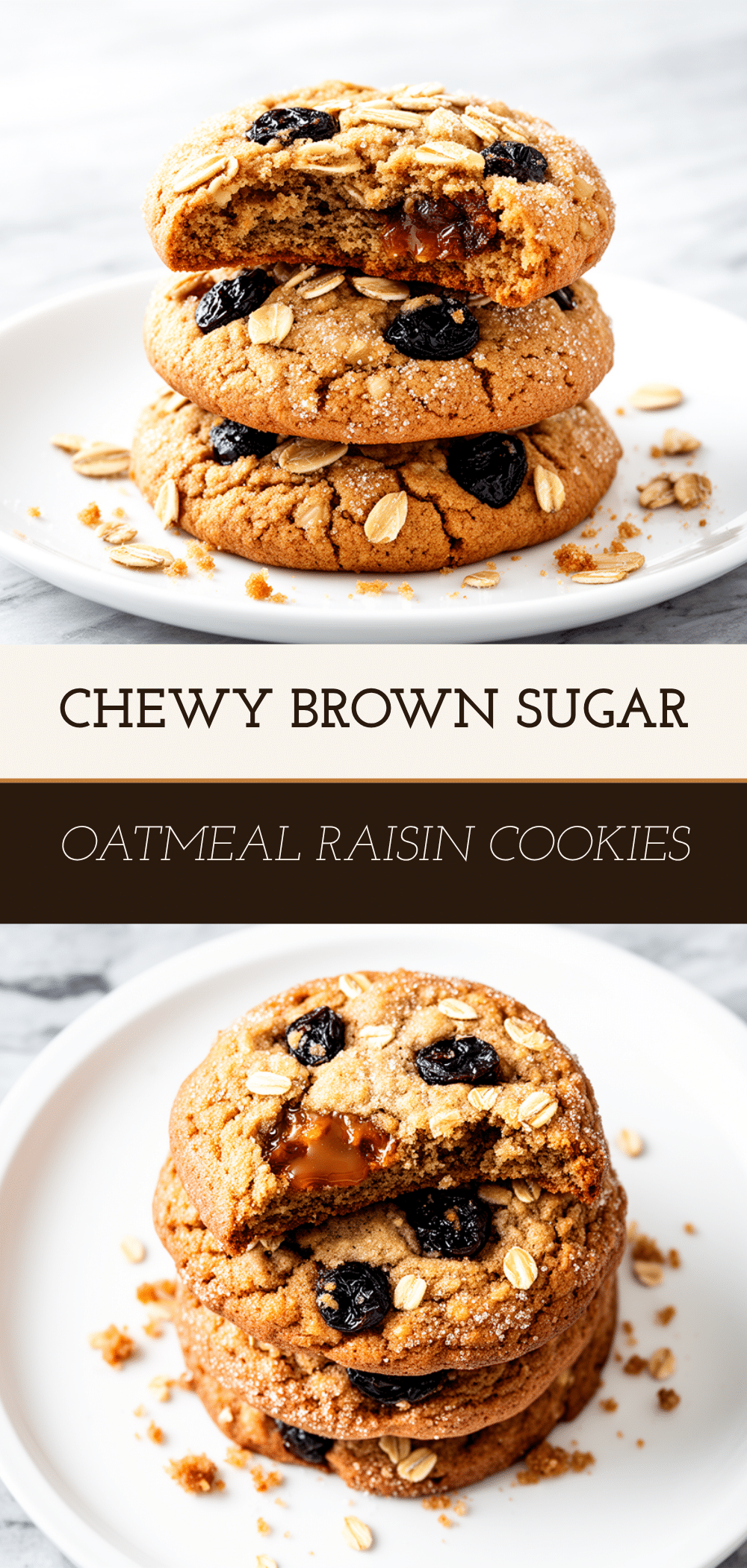
Chewy Brown Sugar Oatmeal Raisin Cookies: Best Soft Recipe
- Total Time: 35 minutes
- Yield: 24 cookies 1x
Description
These thick, chewy oatmeal raisin cookies feature a soft center and slightly crisp edges, made with molasses-rich brown sugar and simple pantry staples for a bakery-quality treat.
Ingredients
- 1 cup (225g) unsalted butter, softened
- 1 cup (200g) dark brown sugar, packed
- 1/2 cup (100g) granulated white sugar
- 2 large eggs, room temperature
- 2 teaspoons vanilla extract
- 2 cups (250g) all-purpose flour
- 1 teaspoon baking soda
- 1/2 teaspoon baking powder
- 1 teaspoon ground cinnamon
- 1/2 teaspoon salt
- 2 cups (160g) old-fashioned rolled oats
- 1 cup (150g) raisins
- 1/2 cup chopped walnuts or pecans (optional)
Instructions
- Preheat oven to 350°F (175°C) and line baking sheets with parchment paper.
- In a large bowl, beat softened butter, brown sugar, and white sugar together until light and fluffy (about 3-4 minutes).
- Beat in eggs one at a time, then mix in vanilla extract. Scrape down the sides of the bowl.
- In a separate bowl, whisk together flour, baking soda, baking powder, cinnamon, and salt.
- Add dry ingredients to the wet mixture and mix on low speed just until combined (do not overmix).
- Fold in rolled oats and raisins until evenly distributed.
- Chill dough for 30 minutes to 1 hour for thicker cookies (optional but recommended).
- Scoop dough into 2-tablespoon balls and place on baking sheets, spacing 2 inches apart.
- Bake for 12-14 minutes until edges are lightly golden but centers look soft.
- Let cookies cool on the baking sheet for 5 minutes, then transfer to a wire rack to cool completely.
Notes
For best results, use room temperature butter and measure flour by spooning it into the cup rather than scooping. Do not overbake; cookies continue to cook on the hot pan. Store in an airtight container with a slice of bread to maintain chewiness.
- Prep Time: 20 minutes
- Cook Time: 12-14 minutes
- Category: Dessert
- Cuisine: American
Nutrition
- Serving Size: 1 cookie
- Calories: 180
- Sugar: 16
- Sodium: 120
- Fat: 8
- Saturated Fat: 5
- Carbohydrates: 28
- Fiber: 1
- Protein: 3
Keywords: oatmeal raisin cookies, chewy cookies, brown sugar cookies, soft cookies, baking, dessert, homemade cookies


