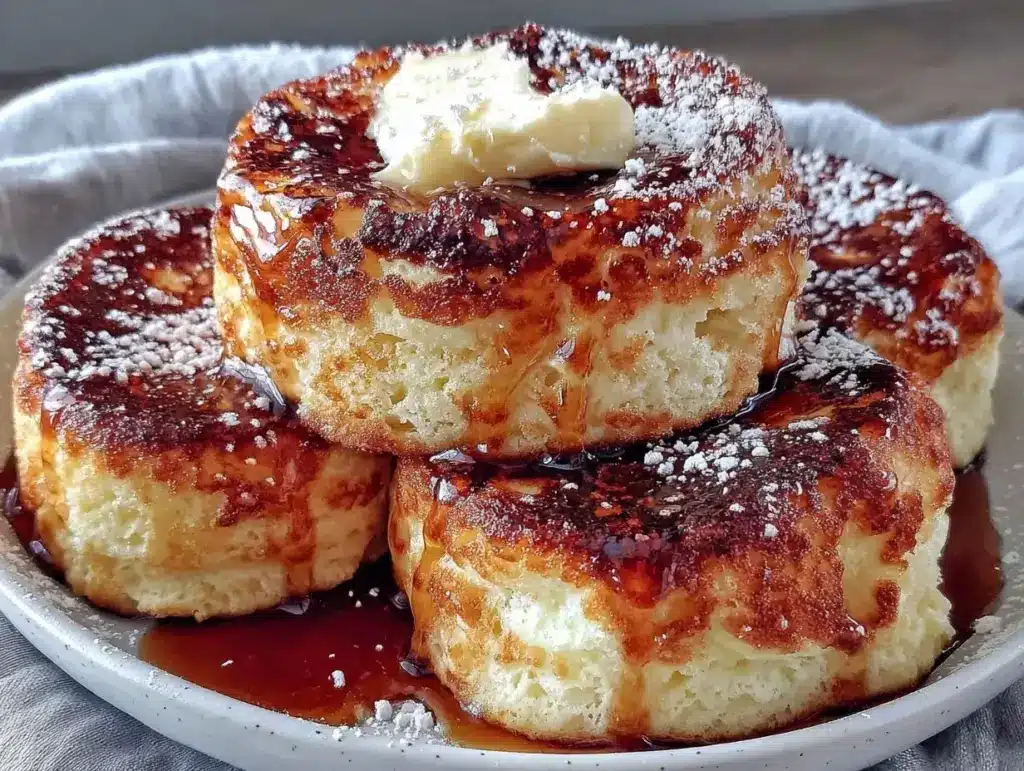
It was a Tuesday night, the kind where the rain hasn’t stopped since morning and your brain feels like it’s wrapped in wet cotton. I didn’t want a big breakfast. I didn’t want a quick coffee and a granola bar to power through the rest of the day. I wanted something that felt like a hug. Something soft, sweet, and slow. So I made these Japanese souffle pancakes.
They took forty minutes. Forty minutes of whisking, folding, and waiting. And honestly? It was exactly what I needed. There’s something deeply calming about watching those meringue peaks hold their shape, about the slow sear on the stovetop, about the way they puff up like little clouds in the pan. By the time I sat down with a stack of them, slathered in that brown butter maple sauce, the stress of the week had just… melted away.
If you’re feeling tired, or just need a moment to breathe, this is the recipe to make. These ultra-fluffy Japanese souffle pancakes aren’t just breakfast; they’re a ten-minute self-care ritual that starts the second you crack the eggs. They’re delicate, airy, and taste like comfort personified. I’ve made them on weekends when I had time, but mostly on weeknights when I needed to slow down. And every single time, they’ve worked.
Why You’ll Love This Recipe
I know what you’re thinking. Pancakes? Really? But these aren’t your average flip-and-eat breakfast. These are a different experience entirely. Here’s why they’ve become my go-to for when I need to take care of myself:
They’re Meditative — The process of separating eggs and folding the meringue is gentle and rhythmic. It forces you to slow down. I’ve found that if I rush this step, the pancakes collapse. So making them teaches patience. It’s a recipe that asks you to be present.
They Taste Like Dessert — With the brown butter maple sauce and the inherent sweetness of the pancakes, these are essentially breakfast pastries. I often eat them with just a dusting of powdered sugar, but the maple butter takes them over the top. It’s indulgent without feeling heavy.
They’re Surprisingly Simple — Once you get the hang of the meringue, the actual cooking is mostly just covering the pan and waiting. You don’t need fancy equipment or rare ingredients. Just eggs, flour, sugar, and butter. If you can make scrambled eggs, you can make these.
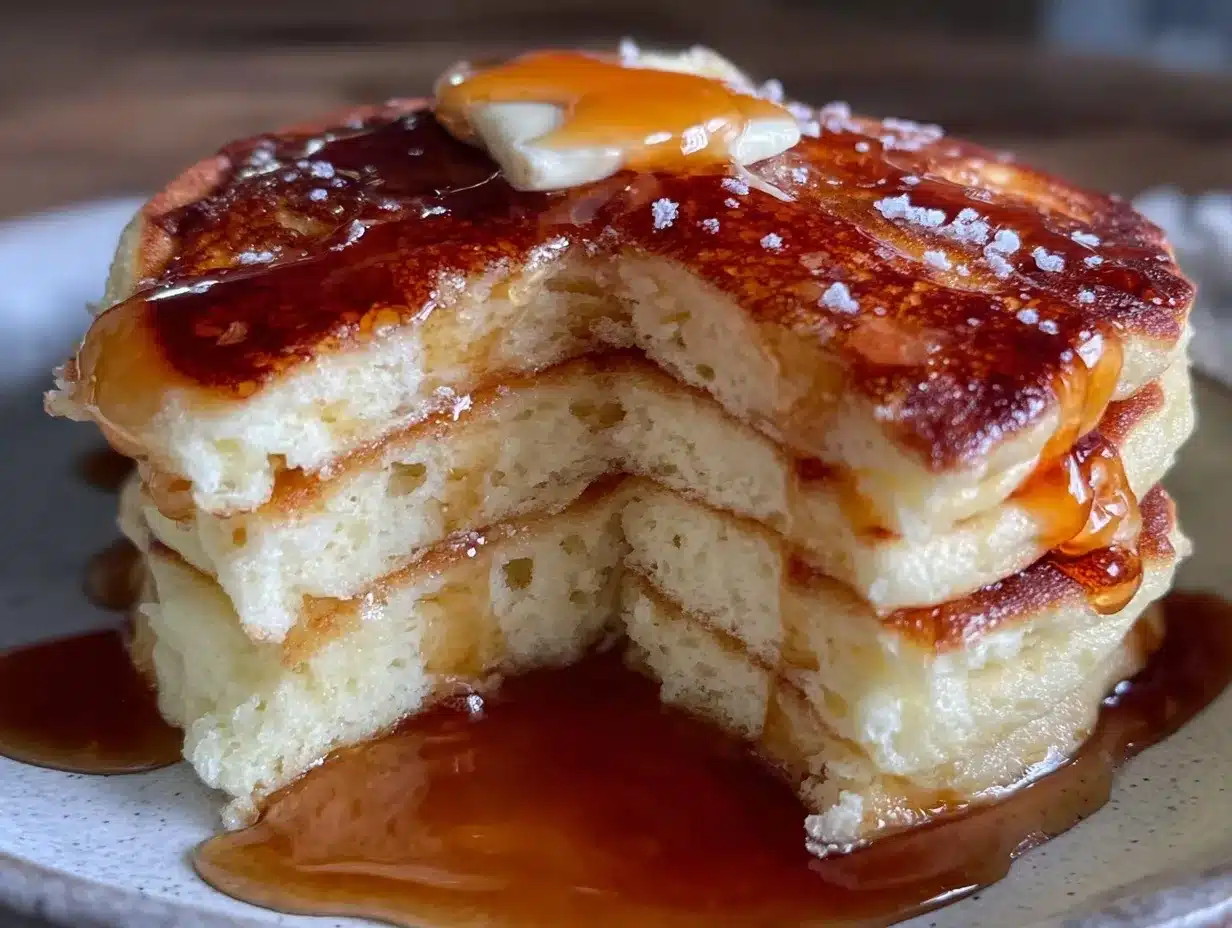
They’re Pure Comfort — There’s no crunch, no chew. Just soft, jiggly, airy cake. It’s the texture of a cloud. When I’m having a hard day, I crave this specific texture. It’s soothing. It’s quiet. It’s mine.
This recipe has saved my mornings more times than I can count. When I’m overwhelmed, I make these. When I’m happy, I make these. When I’m just tired, I make these. They’re the one to make when you need to take care of yourself, because they take care of you while you’re making them.
Ingredients You’ll Need
The beauty of these Japanese souffle pancakes is how few ingredients they use. Most of it is probably already in your kitchen. Here’s what you need to make them perfect.
For the Pancake Batter:
Eggs (4 large, cold) — The star of the show. I use large eggs because they create a more stable meringue. Cold eggs actually whip up better because the proteins are firmer. Make sure they’re fresh; older eggs separate easier but don’t whip as well.
Caster Sugar (3 tablespoons / 40g) — I prefer caster sugar because it dissolves instantly into the egg whites. If you only have granulated sugar, it works, but you might need to whip a little longer. Do not skip the sugar; it stabilizes the meringue.
Yogurt (3 tablespoons / 45g) — I use plain Greek yogurt. It adds moisture and a tiny tang that balances the sweetness. It also helps keep the pancakes tender. Sour cream works too if that’s what you have.
Milk (2 tablespoons / 30ml) — Whole milk is best for richness. This is just enough to loosen the batter so it’s spreadable.
Vanilla Extract (1 teaspoon) — Pure vanilla, please. It adds warmth. If you’re out, a pinch of almond extract is nice too.
All-Purpose Flour (3 tablespoons / 25g) — Sifted! Sifting is non-negotiable here. It removes lumps and aerates the flour, which keeps the pancakes light. Don’t skip this step.
Cornstarch (1 tablespoon / 8g) — This is the secret weapon. It weakens the gluten structure slightly, ensuring that jiggly, soufflé-like texture. It’s what makes them Japanese-style.
Cream of Tartar (½ teaspoon) — Or 1 teaspoon of lemon juice. This stabilizes the egg whites. It helps the meringue hold its air bubbles during cooking. I always keep a small jar of this.
Pinch of Salt — Just one pinch. It enhances the sweetness and balances the flavor.
For the Maple Butter Sauce:
Unsalted Butter (2 tablespoons / 30g) — I use high-quality European butter if I can find it. The flavor difference is huge when you’re just melting butter.
Maple Syrup (2 tablespoons / 30ml) — Real maple syrup, grade A or B. Not the pancake syrup stuff. The darker the syrup, the more robust the flavor. I like the amber grade for this.
Heavy Cream (1 tablespoon / 15ml) — Optional, but it makes the sauce silkier. If you’re out of cream, just use the butter and syrup; it’s still delicious.
For Garnish:
Powdered Sugar — For dusting. It’s just prettier than granulated sugar here.
Fresh Berries — I usually use blueberries or strawberries. They add a nice tart contrast to the sweet pancakes.
Equipment Needed
You don’t need a lot of fancy gear, but having the right tools makes this so much easier.
Two Large Mixing Bowls — One for egg whites, one for yolks. Make sure they’re completely clean and dry. Even a drop of yolk in the whites will ruin the meringue. I keep a paper towel handy to wipe the bowl if I get nervous.
Electric Hand Mixer — Or a stand mixer. Whipping egg whites by hand is possible, but it takes effort and time. A hand mixer is perfect for this. I use my cheap one from the hardware store; it works fine.
Silicone Spatula — You need one for folding the batter gently. A stiff spatula will deflate the air. I love my wide, flexible silicone spatula.
Non-Stick Skillet — 8-inch is ideal. I use a small non-stick pan. If your pan is too big, the pancakes will be too thin and dry. If it’s too small, they’ll overflow. 8-inch is the sweet spot.
Pancake Rings (Optional) — These help keep the pancakes round and tall. I don’t always use them, but they make them look more professional. You can just mound the batter in the center of the pan if you don’t have rings.
Lid — Your skillet needs a lid. This is crucial for steaming the pancakes so they cook through without burning the bottom.
How to Make It: Step-by-Step
Alright, let’s make these. It’s a gentle process. Take your time. Breathe.
Step 1: Separate the Eggs
Separate your four eggs, putting the whites in one bowl and the yolks in another. Check the whites carefully for any yolk. If there’s even a tiny bit, start over with that bowl. Yolk prevents whipping.
Step 2: Whip the Meringue
Add the cream of tartar (or lemon juice) and a pinch of salt to the egg whites. Using your electric mixer, beat on medium-high speed until frothy. Gradually add the caster sugar, one tablespoon at a time, while continuing to beat. You want stiff, glossy peaks. When you lift the beater, the peaks should stand straight up without drooping. This should take about 3-4 minutes. Don’t rush this. The meringue is the foundation.
Step 3: Mix the Yolks
To the bowl of egg yolks, add the yogurt, milk, and vanilla extract. Whisk gently until combined. It doesn’t need to be fluffy, just smooth.
Step 4: Combine Dry Ingredients
Sift the flour and cornstarch together into a small bowl. Sifting is key for lightness.
Step 5: Fold the Batter
This is the most important step. Add about one-third of the meringue to the yolk mixture and whisk gently to lighten it. Then, pour this mixture back into the remaining meringue bowl. Using your silicone spatula, gently fold the mixture. Cut down the center, scrape the bottom, and fold over the top. Rotate the bowl. Stop as soon as the flour is incorporated. Do not overmix. You want to keep all that air in there. The batter should look pale and fluffy.
Step 6: Cook the Pancakes
Heat your 8-inch non-stick skillet over low heat. Add a tiny bit of butter to grease the pan. Once the butter foams, pour in the batter. If using rings, place them in the pan. The batter should be about ½ inch thick. Cover the pan with a lid.
Cook for 6-7 minutes. You’ll see bubbles forming on top and the edges will start to set. Do not flip yet.
Flip the pancakes carefully. Use a spatula to loosen the edges, then gently turn them over. Cover again and cook for another 5-6 minutes. The second side cooks faster. They’re done when they’re golden brown and spring back when you touch them gently.
Step 7: Make the Maple Butter
While the pancakes cook, melt the butter in a small saucepan over low heat. Let it bubble until it turns a light golden brown and smells nutty. This is brown butter. It takes about 2-3 minutes. Remove from heat and whisk in the maple syrup and cream (if using). It will bubble up, so be careful.
Step 8: Serve
Stack the pancakes on a plate. Drizzle generously with the warm maple butter. Dust with powdered sugar and top with fresh berries. Eat immediately while they’re still jiggly.
Expert Tips & Tricks
Here’s everything I’ve learned from making these dozens of times. These tips will save you from my mistakes.
Room Temperature Yolks, Cold Whites — Actually, I’ve found that cold eggs whip better for the whites, but room temperature yolks mix easier with the yogurt. I just separate them straight from the fridge and let the yolks sit for 10 minutes while I whip the whites.
Don’t Skip the Cornstarch — I tried making these with just flour once. They were dense. The cornstarch is what gives them that signature soufflé texture. Trust me.
Low Heat is Non-Negotiable — If your heat is too high, the bottom will burn before the center cooks. These need to steam. Low and slow. If you’re anxious, go even lower. They won’t burn if you’re patient.
Don’t Open the Lid — I know it’s tempting to peek. But every time you open the lid, you lose steam, and the pancakes can collapse. Set a timer and wait. Trust the process.
Use Rings if You Can — Free-standing pancakes are tricky to flip. Rings keep them tall and round. If you don’t have rings, mound the batter in the center of the pan and gently spread it with a spoon, leaving the edges slightly lower.
Make the Brown Butter Ahead — You can make the maple butter sauce ahead of time. Store it in the fridge and reheat gently when ready to serve. It tastes the same.
Variations & Substitutions
Once you’ve nailed the basic version, here’s how you can mix it up. I’ve tried all of these.
Berry Swirl — Add a handful of fresh blueberries or raspberries to the batter right before cooking. They get juicy and sweet inside the pancake.
Matcha Version — Swap 1 teaspoon of the flour for matcha powder. It adds a beautiful green color and a subtle earthy flavor that pairs well with the maple butter.
Chocolate Chip — Fold in a tablespoon of mini chocolate chips at the very end. They melt into pockets of sweetness.
Gluten-Free — Use a 1:1 gluten-free flour blend. The cornstarch is already GF, so just swap the all-purpose flour. They turn out just as fluffy.
Dairy-Free — Use coconut yogurt and maple syrup (which is usually dairy-free, but check). Use coconut oil or dairy-free butter for the sauce. They’re still delicious.
Flavor Variations — I’ve also tried adding a teaspoon of orange zest to the batter. It’s bright and fresh. Or a splash of rum extract for a grown-up twist.
Serving & Storage
These are best eaten immediately. They start to deflate as they cool, which is just part of their charm. But if you have leftovers (unlikely, but possible), here’s how to handle them.
Reheating — Reheat in a warm oven at 300°F for 5 minutes. This helps restore some of the fluffiness. Avoid the microwave; it makes them rubbery. If you must use the microwave, do it for 15 seconds max.
Storage — Store in an airtight container in the fridge for up to 2 days. They will lose some of their airiness, but they’re still tasty. Reheat gently.
Freezing — You can freeze them, but the texture changes. They become more like sponge cake. Freeze in a single layer, then transfer to a bag. Thaw and reheat in the oven.
Serving Suggestions — I serve these with a side of fresh fruit, maybe some whipped cream if I’m feeling fancy, or just a cup of herbal tea. It’s a quiet meal. Pair it with a good book or a podcast. No phones, no work. Just you and your pancakes.
Nutrition Information
I’m not a nutritionist, but here’s the breakdown if you’re tracking. Remember, these are meant to be a treat, a little indulgence.
Per Serving (based on 4 pancakes):
| Nutrient | Amount |
|---|---|
| Calories | 280 |
| Protein | 8g |
| Carbs | 35g |
| Fat | 12g |
| Sugar | 18g |
What’s Good: Decent protein from the eggs. The cornstarch makes them lighter than regular pancakes.
What to Know: Higher in sugar from the meringue and maple butter. If you’re watching sugar, reduce the sugar in the meringue to 1 tablespoon and skip the maple butter.
Final Thoughts
So that’s my ultra-fluffy Japanese souffle pancakes. I’ve talked about them a lot, but when you make a recipe this often, you realize how much it means to you. These pancakes have been my companion through hard days and good days. They’re simple, but they require presence. They ask you to slow down, to be gentle with yourself, and to enjoy the process.
If you make these, I hope you find that same peace. I hope you find that moment of quiet in the kitchen. And I hope you enjoy every bite. Make them your own. Try different berries, different syrups, different flavors. But keep the method gentle. Keep the heat low. Keep the love high.
If you try this recipe, please let me know how it went. I love hearing about your kitchen moments. And if you need more comfort food ideas, check out my chocolate peanut butter smoothie for a quick pick-me-up, or my sourdough breakfast toast for another easy, comforting start to the day.
Happy cooking. Be kind to yourself today.
Frequently Asked Questions
Why did my pancakes collapse?
Usually, this means the meringue wasn’t stiff enough, or you overmixed the batter. Make sure your peaks are stiff and glossy. When folding, be gentle and stop as soon as the flour is incorporated. Also, check your heat. If it’s too high, the outside cooks too fast and the inside doesn’t set, leading to collapse.
Can I make these ahead of time?
The pancakes themselves are best fresh. However, you can make the batter up to 1 hour ahead and keep it in the fridge. Whisk it gently before cooking. The maple butter sauce can be made a day in advance.
Can I use a cast iron skillet?
Yes, but cast iron retains heat differently. You may need to lower the heat slightly more than with non-stick. Make sure your skillet is well-seasoned so they don’t stick.
What if I don’t have cream of tartar?
You can use lemon juice or white vinegar. Use 1 teaspoon of lemon juice or vinegar for every ¼ teaspoon of cream of tartar. It works just as well.
How do I know when they’re done?
The edges should be set and golden. The top should look cooked, not wet. When you gently press the center, it should spring back. If it feels jiggly or wet, give it another minute.
Can I double the recipe?
Yes, but cook them in batches. Don’t try to cook all eight pancakes at once unless you have two large skillets. The pan needs space for the steam to circulate.
Are these healthy?
They’re lighter than traditional pancakes, but they’re still a treat. The eggs provide protein, and the cornstarch makes them airy. If you’re looking for a high-protein option, you could add a scoop of protein powder to the batter, but it might change the texture.
Pin This Recipe!
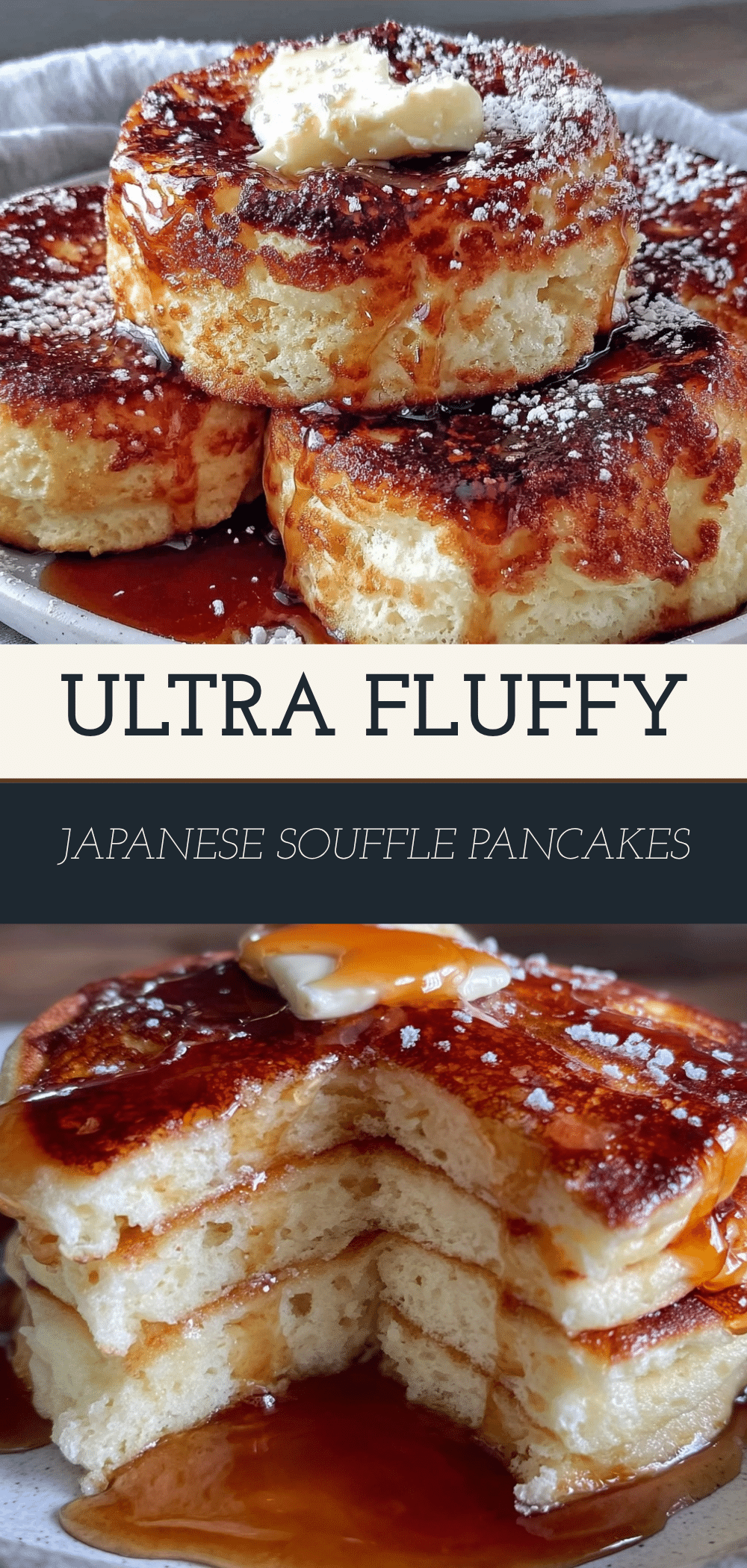
Ultra-Fluffy Japanese Souffle Pancakes: 10-Min Self-Care Comfort
- Total Time: 40 minutes
- Yield: 4 servings 1x
Description
These ultra-fluffy Japanese souffle pancakes are a meditative, comforting breakfast ritual. Made with a stable meringue and cooked low and slow on the stovetop, they result in soft, jiggly, cloud-like pancakes served with a rich brown butter maple sauce.
Ingredients
- 4 large eggs (cold)
- 3 tablespoons caster sugar (40g)
- 3 tablespoons plain Greek yogurt (45g)
- 2 tablespoons whole milk (30ml)
- 1 teaspoon vanilla extract
- 3 tablespoons all-purpose flour, sifted (25g)
- 1 tablespoon cornstarch (8g)
- 1/2 teaspoon cream of tartar (or 1 teaspoon lemon juice)
- 1 pinch salt
- 2 tablespoons unsalted butter (for sauce)
- 2 tablespoons maple syrup (30ml)
- 1 tablespoon heavy cream (optional, for sauce)
- Powdered sugar (for garnish)
- Fresh berries (for garnish)
Instructions
- Separate the eggs, placing whites in one clean, dry bowl and yolks in another. Ensure no yolk gets into the whites.
- Add cream of tartar and salt to the egg whites. Beat with an electric mixer on medium-high speed until frothy.
- Gradually add caster sugar, one tablespoon at a time, while continuing to beat until stiff, glossy peaks form (about 3-4 minutes).
- Whisk the yogurt, milk, and vanilla extract into the egg yolks until smooth.
- Sift the flour and cornstarch together into a small bowl.
- Add one-third of the meringue to the yolk mixture and whisk gently to lighten. Pour this back into the remaining meringue.
- Gently fold the mixture with a silicone spatula until just combined. Do not overmix.
- Heat an 8-inch non-stick skillet over low heat and grease with a tiny bit of butter.
- Pour batter into the pan (using rings if desired) to a thickness of about 1/2 inch. Cover with a lid.
- Cook for 6-7 minutes until bubbles form on top and edges set. Do not flip yet.
- Carefully flip the pancakes. Cover again and cook for another 5-6 minutes until golden brown and springy.
- While pancakes cook, melt butter in a small saucepan over low heat until it turns light golden brown and smells nutty.
- Remove butter from heat and whisk in maple syrup and cream (if using).
- Stack pancakes, drizzle with maple butter sauce, dust with powdered sugar, and top with fresh berries. Serve immediately.
Notes
Cold eggs whip better for the meringue. Sifting the flour is non-negotiable for lightness. Cook on low heat to steam the pancakes without burning the bottom. Do not open the lid while cooking, as this releases steam needed for rising. These are best eaten immediately but can be stored in the fridge for 2 days or frozen.
- Prep Time: 15 minutes
- Cook Time: 25 minutes
- Category: Breakfast
- Cuisine: Japanese
Nutrition
- Serving Size: 1 pancake with sauce
- Calories: 280
- Sugar: 18
- Sodium: 150
- Fat: 12
- Saturated Fat: 6
- Carbohydrates: 35
- Fiber: 1
- Protein: 8
Keywords: Japanese souffle pancakes, fluffy pancakes, breakfast recipe, comfort food, stovetop pancakes, self-care recipe, gluten-free option