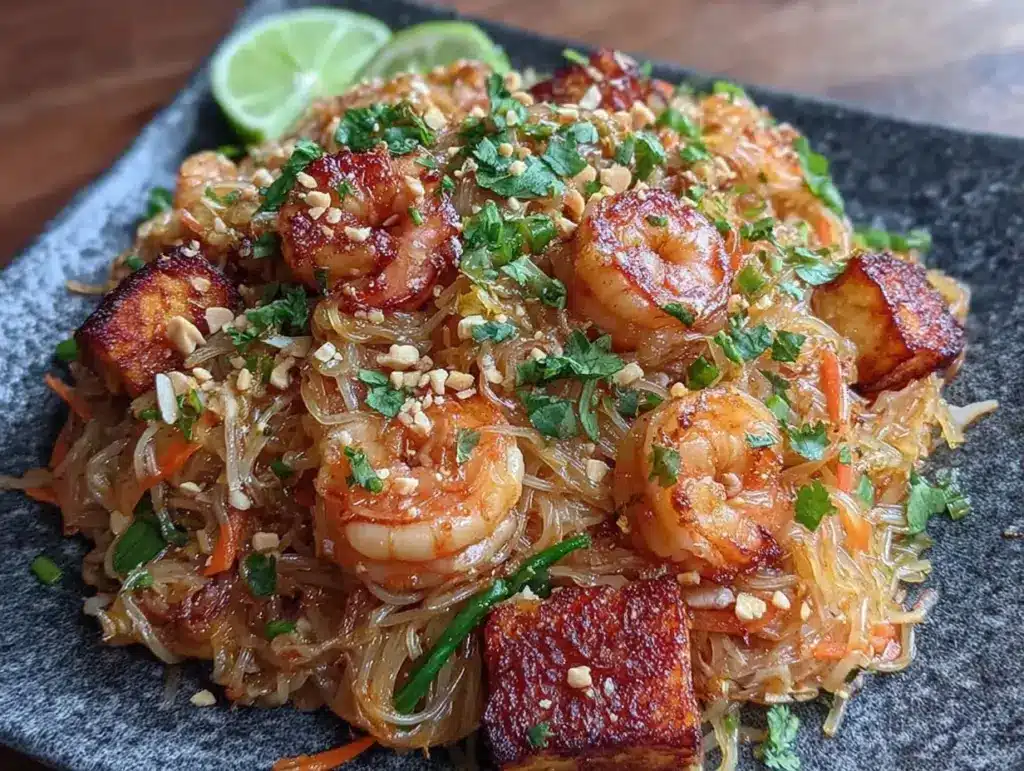
Last Thursday, I came home from work feeling like my brain had been put through a wringer. You know that specific kind of tired? The kind where you don’t just want food, you want a hug in a bowl. I stood in my kitchen for a good ten minutes, staring at a pile of unwashed dishes and a refrigerator that was mostly empty except for half a lime and some sad-looking bean sprouts. I didn’t have the energy to chop a dozen vegetables or stir-fry something complex. I just wanted something warm, something tangy, something that tasted like a weekend in Bangkok without the stress of a flight.
So, I made Easy Pad Thai with Tamarind Sauce. It wasn’t the version I saw on that fancy cooking show with the twenty-minute timer. It was messy. I used jarred tamarind paste because fresh was too much effort. I threw in whatever eggs I had. I didn’t even have fresh cilantro, so I skipped it. But the moment that sauce hit the pan—sweet, sour, salty, and spicy all at once—the tension in my shoulders just… melted. It wasn’t about performance. It was about comfort. It was about feeding myself something that felt good.
This Easy Pad Thai with Tamarind Sauce recipe is my go-to when I need to take care of myself. It’s not about speed; it’s about gentleness. It’s about creating a small ritual in the kitchen that reminds you that you matter, even on the hardest days. I’ve made this version so many times now that I can do it with one hand while scrolling through my phone with the other. But I still make it with intention. I still listen to the sizzle. I still taste the sauce and adjust it until it feels right for my soul that day.
There’s something deeply satisfying about mastering a dish that feels restaurant-quality but is actually just a few simple ingredients coming together. When you make this Easy Pad Thai with Tamarind Sauce, you’re not just cooking dinner. You’re taking a moment to breathe. You’re creating a space where the only thing that matters is the balance of flavors in front of you. And honestly? That’s exactly what self-care looks like to me. It’s not always a bubble bath. Sometimes it’s just a good bowl of noodles.
Why You’ll Love This Self-Care Meal
I know “self-care meal” might sound a bit fluffy, but hear me out. There is a reason this Easy Pad Thai with Tamarind Sauce has become my anchor dish during rough weeks. It’s not just because it tastes incredible (though it does). It’s because it meets you exactly where you are.
- The Sauce Does the Heavy Lifting — Most Asian stir-fries rely on a dozen different sauces. This one relies on tamarind. Once you get the ratio right, you can make this every single week without thinking. I’ve made this sauce base at least fifty times. It’s my kitchen shorthand for “I need comfort.”
- It’s Forgiving — If you burn the garlic slightly, it adds a nice depth. If you overcook the noodles a bit, they just get softer. This recipe doesn’t judge you. It doesn’t have a strict timeline. You cook it until it feels right. I learned this after burning my tongue three times trying to rush it. Slow down. Let the noodles soak up that sauce.
- It Feeds Your Senses — The smell of frying garlic, chili, and tamarind filling your apartment is instantly calming. It’s an aromatherapy session you can eat. When I’m stressed, the scent of this Easy Pad Thai with Tamarind Sauce grounds me. It pulls me out of my head and into my body.
- Minimal Cleanup — I don’t mean “quick cleanup” in a hacky way. I mean, the whole thing happens in one pan or wok. One pan means less time staring at dirty dishes, which means more time relaxing afterward. It’s about reducing the mental load of cooking.
- It’s Nourishing in a Real Way — It’s not just empty carbs. You get protein from the eggs, fiber from the bean sprouts, and healthy fats from the peanuts. It sits well in your stomach. It doesn’t leave you feeling heavy or sluggish. It leaves you feeling held.
This is my go-to when dinner needs to just work, and when I need to work on myself. It’s gentle. It’s familiar. It’s home.
Key Ingredients for Your Comfort Bowl
Let’s talk about what goes into this Easy Pad Thai with Tamarind Sauce. I want to be honest with you—some of these ingredients might feel intimidating if you’ve never cooked Thai food before. But trust me, they’re accessible. And once you have them, you’ll wonder how you lived without them.
Tamarind Paste
(3 tablespoons / 45g) — This is the heart of the recipe. Do not buy tamarind water concentrate if you can avoid it; it’s often sweeter and less complex. Look for the block of tamarind paste in the produce section or the Asian aisle. It’s sour, earthy, and deep. If you can’t find it, lemon juice plus a touch of molasses can work in a pinch, but it won’t have that same soulful depth. I keep a jar of this in my fridge at all times. It’s my secret weapon for instant flavor.
Fish Sauce
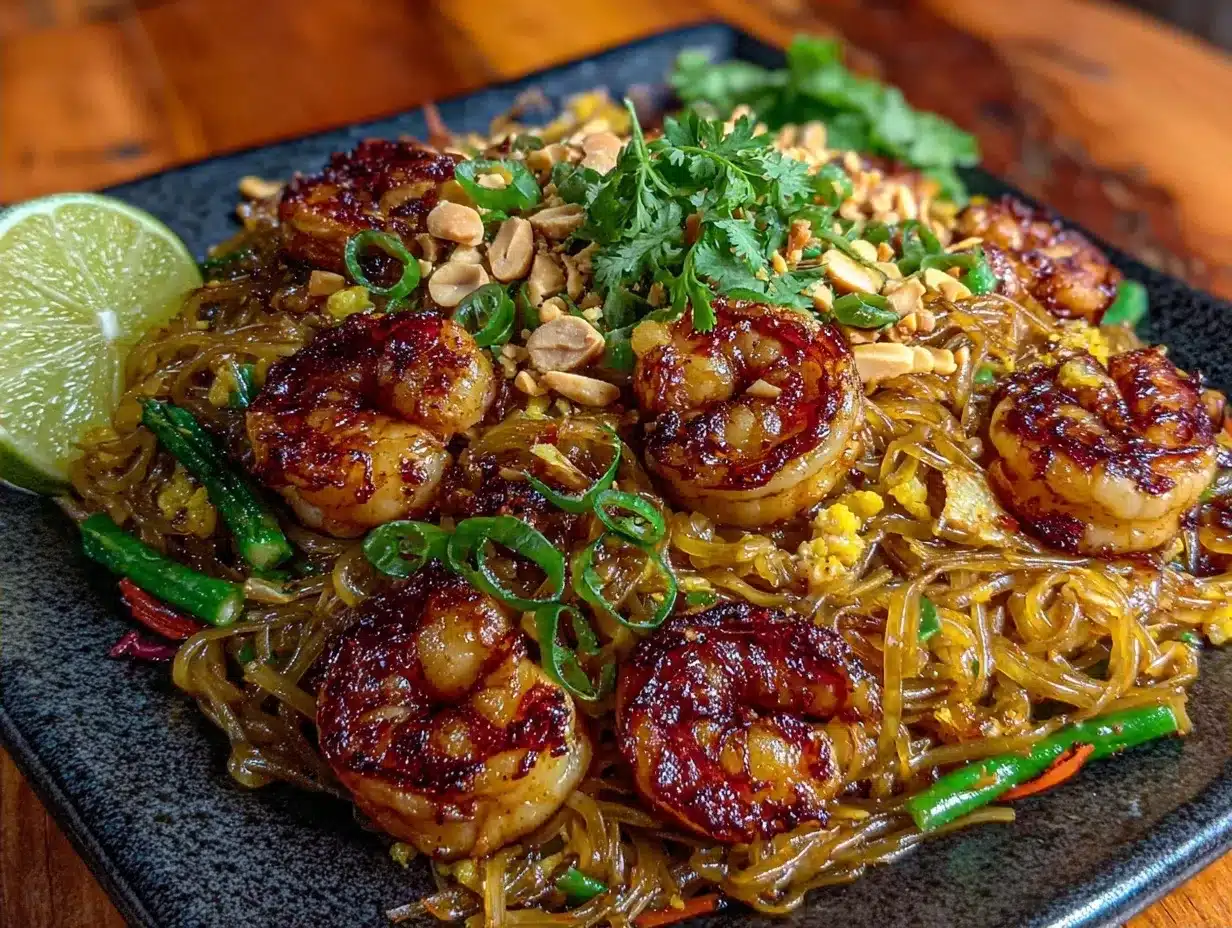
(2 tablespoons / 30ml) — This adds the salty, umami backbone. Yes, it smells strong straight out of the bottle. But once it hits the heat, the smell vanishes, leaving only savory richness. If you’re vegan, use soy sauce or a vegan fish sauce. I’ve tried both, and while soy sauce works, it lacks that specific fermented kick that makes Pad Thai taste like Pad Thai. Don’t skip it, but don’t be afraid of it.
Palm Sugar or Brown Sugar
(2 tablespoons / 30g) — Palm sugar is traditional and has a caramel-like complexity. If you can’t find it, light brown sugar is a fine substitute. I use brown sugar because it’s easier to find and it dissolves nicely into the sauce. The sugar balances the sour tamarind and the salty fish sauce. It’s the harmony that makes the dish sing.
Flat Rice Noodles
(8 ounces / 225g) — Look for “sen lek” or medium-width rice noodles. They have the perfect chew. Wide noodles are too heavy for this style, and thin vermicelli gets too soggy. If you’re gluten-free, these are naturally safe, which is a huge bonus. I soak them in warm water for 30 minutes before cooking. Never boil them directly from the package unless you’re in a massive rush, and even then, they’ll be tougher.
Bean Sprouts
(1 cup / 100g) — These add crunch and freshness. They cook in seconds. I buy them fresh, not the bagged stuff that’s been sitting in the fridge for a week. Fresh sprouts have a crisp snap that contrasts beautifully with the soft noodles. If you can’t find fresh, you can use shredded cabbage, but it won’t be the same. It’s worth the trip to the store.
Garlic and Shallots
(3 cloves garlic, minced / 1 small shallot, finely chopped) — The aromatic base. Shallots are sweeter and more delicate than onions. They melt into the oil and create a fragrant foundation. I mince them really fine so they disappear into the sauce but leave their flavor behind. This is the smell that makes your house feel like a Thai restaurant.
Roasted Peanuts
(1/4 cup / 35g, crushed) — For texture and richness. I crush them with a mortar and pestle or just put them in a bag and hit them with a rolling pin. You want chunks, not powder. Sprinkle them on top at the end. They add that final layer of comfort.
Tools Needed for a Gentle Cook
You don’t need fancy equipment to make this Easy Pad Thai with Tamarind Sauce. In fact, some of the best versions I’ve made were cooked on a small electric burner in my tiny apartment kitchen. Here’s what I use:
- Large Wok or Skillet — I use a 12-inch carbon steel wok. It heats evenly and has high sides to prevent splatter. If you don’t have a wok, a large non-stick skillet works perfectly. The key is surface area. You want room for the noodles to move, not crowd each other.
- Spatula — A flat, wide spatula is essential for tossing the noodles. I use a silicone one so I don’t scratch my pan. It needs to be flexible enough to get under the noodles without breaking them.
- Sauce Bowl — Pre-mix your sauce in a small bowl before you start cooking. This is crucial. You don’t want to be scrambling to measure ingredients while the noodles are burning. Just whisk tamarind, fish sauce, sugar, and a splash of water together. It takes 30 seconds.
- Strainer — For draining the soaked noodles. A simple mesh strainer works fine. I usually rinse them with cold water after soaking to stop the cooking process.
That’s it. No special gadgets. Just the basics. Keep it simple so you can keep your energy low.
How to Make It (When You’re Tired)
Let’s walk through this together. I’m not going to rush you. Take your time. Breathe.
Step 1: Soak the Noodles (30 minutes, mostly passive)
Place your rice noodles in a large bowl and cover them with warm water. They should be just submerged. Let them sit. This is your time to rest. You can check your email, read a page of a book, or just sit quietly. The noodles will soften and become pliable. They are done when they bend but still have a slight resistance. Do not over-soften them, or they will turn to mush in the pan. Drain them and set aside. If you’re short on time, you can boil them for 4-5 minutes, but the soak gives a better texture.
Step 2: Mix the Tamarind Sauce (2 minutes)
In a small bowl, combine the tamarind paste, fish sauce, brown sugar, and 2 tablespoons of warm water. Whisk until the sugar and tamarind are fully dissolved. Taste it. It should be a balance of sour, sweet, and salty. If it’s too sour, add a bit more sugar. If it’s too sweet, add a splash of fish sauce. This sauce is the soul of the dish. Adjust it to your mood. I like it on the sour side when I need a pick-me-up.
Step 3: Sauté the Aromatics (3 minutes)
Heat a tablespoon of oil in your wok or skillet over medium heat. Add the minced garlic and chopped shallots. Cook gently, stirring constantly, for about 2-3 minutes. You want them to become fragrant and translucent, not brown. Browned garlic tastes bitter, and we want sweetness here. If the pan gets too hot, turn the heat down. Listen to the sizzle. It should be a gentle hum, not a roar.
Step 4: Cook the Eggs (2 minutes)
Push the aromatics to the side of the pan. Crack two eggs into the empty space. Scramble them gently with your spatula. Cook until they are just set but still soft and creamy. Break them into small, bite-sized pieces. This adds richness and protein. I like my eggs slightly runny for extra comfort.
Step 5: Combine and Toss (5 minutes)
Add the drained noodles to the pan. Pour the tamarind sauce over the noodles. Use your spatula to toss everything together. The noodles will absorb the sauce quickly. If it looks dry, add a splash more water. Add the bean sprouts and half of the crushed peanuts. Toss for another 2-3 minutes until the noodles are heated through and coated in that glossy sauce. The noodles should be tender but not mushy. They should slide around the pan easily.
Step 6: Serve and Savor
Remove from heat. Plate the Easy Pad Thai with Tamarind Sauce immediately. Top with the remaining peanuts, a squeeze of fresh lime, and sliced chili peppers if you like heat. Eat it while it’s warm. Don’t wait. This dish is best the moment it comes off the stove.
Total time: About 40 minutes, but only 10 minutes of active cooking. The rest is soaking and simmering. It’s time you can spend doing something else, or just resting.
Expert Tips from My Kitchen
I’ve made this dish enough times to know what goes wrong and how to fix it. Here’s everything I learned from making this too many times.
Don’t Overcrowd the Pan
This is the #1 mistake. If you put too many noodles in the pan at once, they steam instead of fry. They get sticky and clumpy. If you’re cooking for more than two people, cook in batches. It takes an extra 5 minutes, but the texture difference is night and day. I learned this the hard way when I tried to feed four people at once and ended up with a noodle brick.
The Sauce Should Be Glossy
When the noodles are done, the sauce should coat them in a shiny, glossy layer. If the sauce is watery, your noodles aren’t absorbing it. If it’s too thick, add a splash of water. The consistency should be like a light syrup, not a heavy gravy.
Use High Heat for the Toss
While the aromatics cook gently, turn the heat up to medium-high when you add the noodles. You want a little char. This “wok hei” or breath of the wok is what gives stir-fry its smoky flavor. Don’t be afraid of the smoke alarm. Just open a window.
Common Problems & Solutions
- Noodles are too sticky: You didn’t soak them long enough, or you didn’t toss them enough in the sauce. Add a splash of water and toss vigorously.
- Sauce is too sour: Add more sugar or a pinch of salt to balance it. Taste as you go.
- Eggs are rubbery: You cooked them too long. Remove them from the pan as soon as they are set and add them back in at the end.
Recipe Variations for Your Mood
Once you’ve nailed the basic version, here’s how to mix it up. This recipe is a canvas, not a cage.
Shrimp Pad Thai
Add 1/2 lb of shrimp with the eggs. Shrimp cooks quickly, so add them to the pan for the last 2 minutes of cooking. They add a sweet, briny flavor that pairs beautifully with the tamarind.
Vegan Pad Thai
Swap fish sauce for soy sauce or vegan fish sauce. Skip the eggs and add extra tofu. Press a block of firm tofu, cube it, and pan-fry it until crispy before adding it back to the noodles. It soaks up the sauce like a dream.
Vegetable Loaded
Add sliced carrots, bell peppers, or mushrooms with the aromatics. They add color and texture. I love adding julienned carrots for a bit of sweetness.
Spicy Version
Add a teaspoon of chili flakes or a diced fresh chili to the aromatics. Or, drizzle chili oil on top at the end. It wakes up the palate.
Serving & Storage
Serving
I serve this straight from the pan, family-style, or in individual bowls. Top with lime wedges, extra peanuts, and fresh cilantro if you have it. It pairs well with a simple cucumber salad or a light green tea. It’s a complete meal on its own.
Storage
This does not freeze well. The noodles become mushy upon thawing. Store leftovers in an airtight container in the refrigerator for up to 2 days. Reheat gently in a pan with a splash of water to loosen the noodles. It’s best eaten fresh, but leftovers are still good.
Nutrition Information
I’m not a nutritionist, but here’s the breakdown. This is comfort food with sugar and oil. It’s not diet food. But it’s better than takeout and I know what’s in it.
| Per Serving | Amount |
|---|---|
| Calories | 450 |
| Protein | 15g |
| Carbs | 60g |
| Fiber | 3g |
| Fat | 18g |
| Sodium | 600mg |
This is a balanced meal with carbs, protein, and fat. It’s filling and satisfying. Enjoy it without guilt. You earned it.
Final Thoughts
Making Easy Pad Thai with Tamarind Sauce is my way of saying “I care about myself.” It’s a small act of kindness in a bowl. It reminds me that I don’t need to be perfect to deserve a good meal. I just need to show up. So tonight, when you’re tired, or stressed, or just need a moment of peace, make this. Let the sauce simmer. Let the aromatics fill your home. Let yourself be nourished. If you make this, drop a comment! I love hearing how it turns out in your kitchen. Happy cooking!
FAQs
Can I make this ahead of time?
You can prep the sauce and soak the noodles ahead of time. But cook it fresh. The noodles absorb the sauce quickly and become soggy if they sit too long. Fresh is best for texture.
What if I don’t have tamarind paste?
You can use lime juice and brown sugar as a substitute. Use 3 tablespoons of lime juice and 2 tablespoons of brown sugar. It won’t be authentic, but it will be tasty. It’s a decent emergency fix.
Why are my noodles breaking?
You’re probably handling them too roughly. Rice noodles are fragile. Use a gentle tossing motion with your spatula. And make sure you soak them until they are pliable before cooking.
Is this recipe gluten-free?
Yes, if you use tamari instead of soy sauce (for the vegan version) and ensure your tamarind paste is pure. Rice noodles and tamarind are naturally gluten-free. Just check your labels.
Can I use chicken instead of eggs?
Absolutely. Slice chicken breast thinly and cook it with the aromatics. It adds a nice lean protein option. Just make sure it’s cooked through before adding the noodles.
Pin This Recipe!
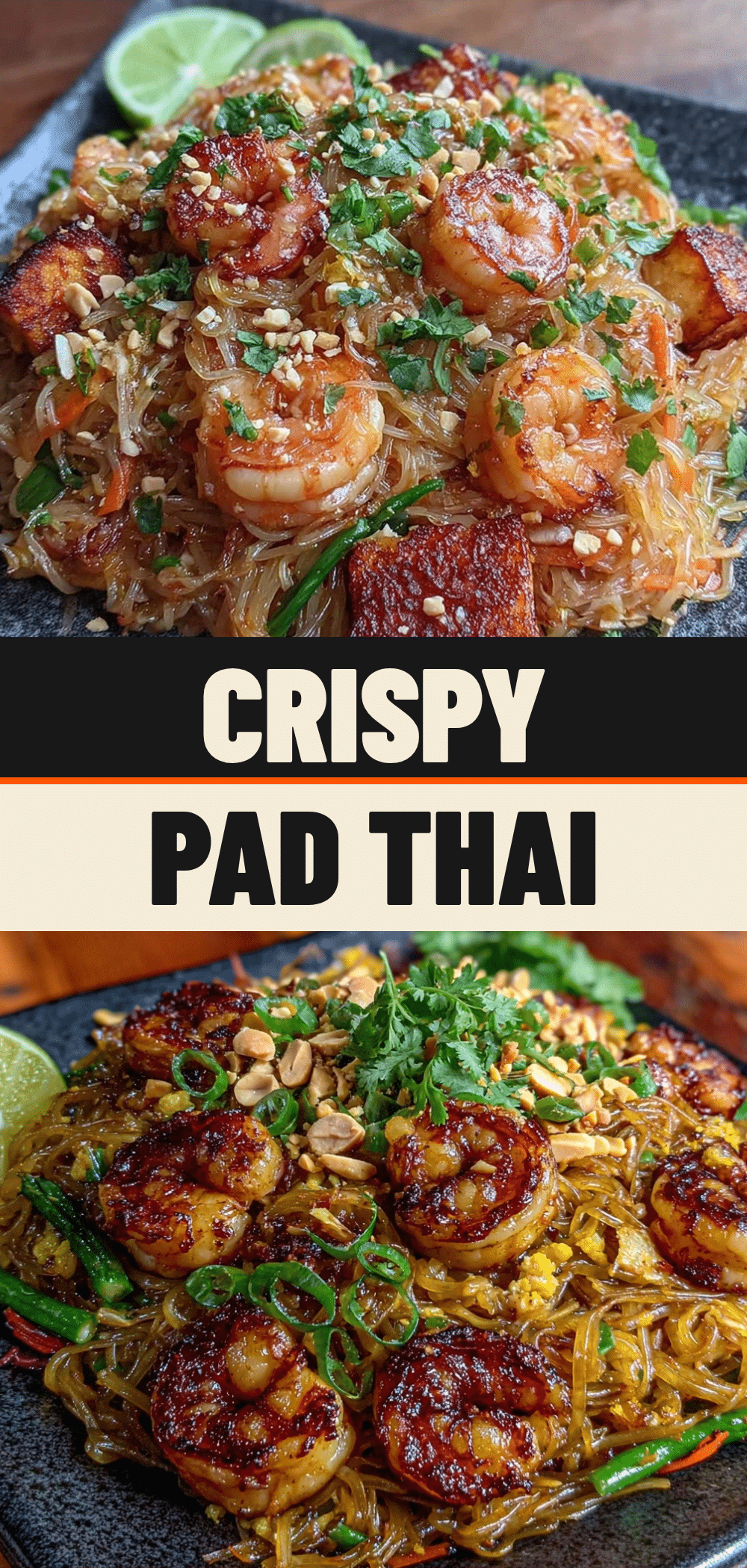

Easy Pad Thai with Tamarind Sauce
- Total Time: 40 minutes
- Yield: 2 servings 1x
Description
A comforting, self-care focused Pad Thai recipe that balances sweet, sour, salty, and spicy flavors using a simple tamarind sauce base. It’s designed to be forgiving, minimal cleanup, and nourishing for tired days.
Ingredients
- 3 tablespoons (45g) tamarind paste
- 2 tablespoons (30ml) fish sauce
- 2 tablespoons (30g) palm sugar or brown sugar
- 8 ounces (225g) flat rice noodles (sen lek)
- 1 cup (100g) fresh bean sprouts
- 3 cloves garlic, minced
- 1 small shallot, finely chopped
- 2 large eggs
- 1/4 cup (35g) roasted peanuts, crushed
- 1 tablespoon oil
- 2 tablespoons warm water (for sauce)
- Fresh lime wedges
- Sliced chili peppers (optional)
Instructions
- Soak the rice noodles in a large bowl of warm water for 30 minutes until pliable but still resistant. Drain and set aside.
- In a small bowl, whisk together the tamarind paste, fish sauce, brown sugar, and 2 tablespoons of warm water until dissolved. Taste and adjust sweetness or sourness as needed.
- Heat oil in a large wok or skillet over medium heat. Add minced garlic and chopped shallots, sautéing gently for 2-3 minutes until fragrant and translucent.
- Push aromatics to the side and crack eggs into the pan. Scramble gently until just set but still soft, then break into bite-sized pieces.
- Add the drained noodles to the pan and pour the tamarind sauce over them. Toss vigorously to coat.
- Add bean sprouts and half of the crushed peanuts. Toss for another 2-3 minutes until noodles are heated through and glossy.
- Remove from heat and serve immediately, topped with remaining peanuts, lime wedges, and chili peppers.
Notes
Do not overcrowd the pan to prevent steaming. If cooking for more than two people, cook in batches. The noodles should be soaked, not boiled, for best texture. If tamarind paste is unavailable, substitute with lime juice and brown sugar.
- Prep Time: 30 minutes
- Cook Time: 10 minutes
- Category: Main Course
- Cuisine: Thai
Nutrition
- Serving Size: 1 bowl
- Calories: 450
- Sugar: 12
- Sodium: 600
- Fat: 18
- Saturated Fat: 3
- Carbohydrates: 60
- Fiber: 3
- Protein: 15
Keywords: Pad Thai, tamarind sauce, self-care meal, easy dinner, Thai noodles, comfort food, gluten-free option