I used to dread hosting dinner parties. Not the socializing part—I love that—but the kitchen chaos. You know the drill: you’re sweating over a stove, trying to keep a roast warm while a salad wilts in the bowl, and your guests are hovering like vultures waiting for dinner to be served. I spent years making cold salads that turned into soggy messes or warm dishes that tasted like they’d been sitting under a heat lamp for an hour.
Then, about two years ago, I made this cozy fall orzo salad with roasted butternut squash and feta on a whim. I had a late harvest squash from a friend’s garden, a bag of orzo that needed using, and a block of feta that was calling my name. I tossed it all together, roasted the squash until it was caramelized and sweet, and mixed it with a sharp, herby vinaigrette.
The next day, I brought it to a potluck. I expected it to be a side dish. Instead, I watched people circle back for a second helping. One friend actually asked for the recipe before the appetizers were even cleared. That was the moment I realized: this isn’t just a salad. It’s a crowd-pleaser that actually gets better as it sits.
Here’s the thing about orzo—it’s pasta, but it acts like a grain. It soaks up flavors like a sponge and holds its texture even after chilling. When you pair that nutty, rice-shaped pasta with the earthy sweetness of roasted squash, the tangy crunch of feta, and a bright lemon-herb dressing, you get something that feels fancy but is incredibly easy to make. It’s the kind of dish that looks like you spent hours in the kitchen, but you really just spent 45 minutes and had a glass of wine while you did it.
I’ve made this cozy fall orzo salad for Thanksgiving, for bridal showers, and for quiet Tuesday nights when I just want something that feels comforting but not heavy. It’s my go-to when I want to impress without the stress. And if you’re looking for other dishes that bring that same warm, inviting vibe to your table, you might also enjoy my fall chicken and apple sausage skillet or my fall crockpot chicken and dumplings for when you need something heartier.
Why You’ll Love This Recipe
This cozy fall orzo salad with roasted butternut squash and feta has completely changed how I think about cold salads. Most people think of salads as a light, sad side dish. This one? It’s the star of the show. Here’s why it keeps showing up on my menu:
It Actually Tastes Better the Next Day — Seriously. The flavors meld together overnight. The orzo absorbs the dressing, the squash gets even sweeter, and the feta softens just a tiny bit. I make this the night before a party, and by the time guests arrive, it’s perfectly seasoned. It’s my secret to stress-free hosting.
It’s a Flavor Bomb — You’ve got the creamy, salty feta, the earthy, roasted squash, the nutty orzo, and the bright, zesty dressing with fresh sage and thyme. Every bite has a different texture and flavor profile. It’s not just “vegetables and pasta.” It’s complex, rich, and deeply satisfying.
It’s Naturally Gluten-Free (If You Choose) — Orzo is usually wheat-based, but you can easily swap it for gluten-free orzo or even quinoa if you have guests with restrictions. The rest of the ingredients are naturally gluten-free, so it’s easy to adapt without losing any flavor. I often serve this alongside my cozy chicken and wild rice soup for a full gluten-free-friendly autumn meal.
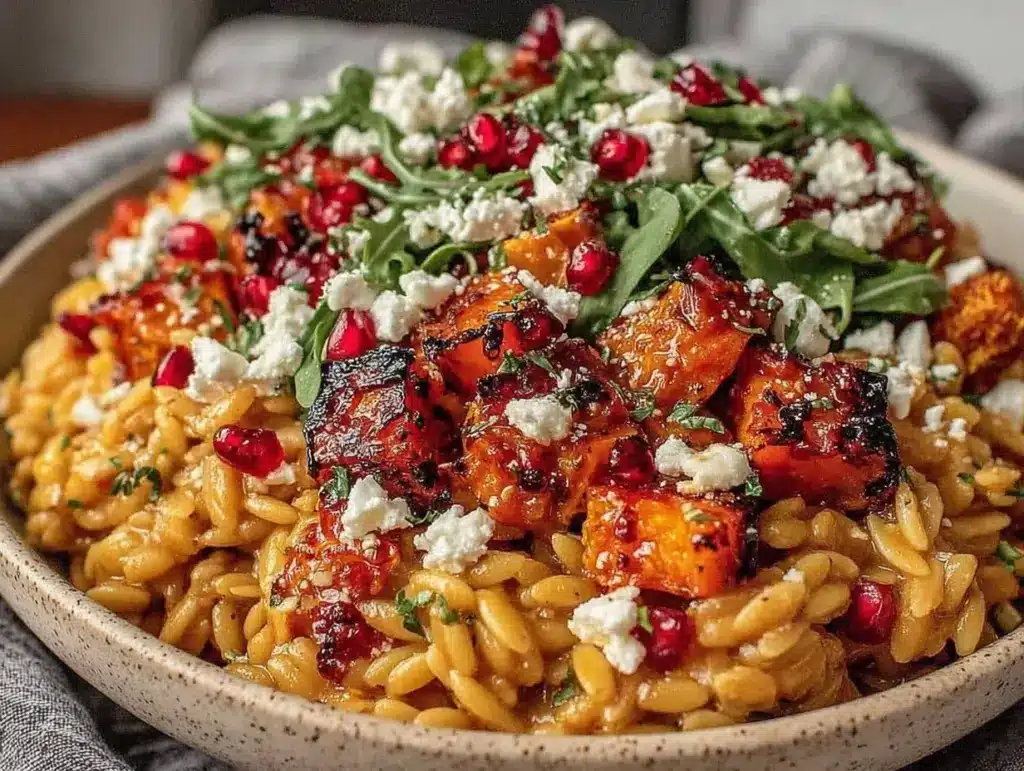
It’s Beautiful — Let’s be honest, we eat with our eyes first. The orange of the squash, the white of the feta, the green of the herbs, and the golden hue of the orzo create a gorgeous, rustic dish. It looks like something you’d get at a high-end farm-to-table restaurant, but it’s just home-cooked food.
It’s Versatile — Add grilled chicken for a main course, toss in some candied pecans for extra crunch, or throw in some dried cranberries for a pop of tartness. This recipe is a canvas, and you get to paint it however you like. I love adding a little crunch with toasted walnuts, which pairs beautifully with the soft textures.
Ingredients You’ll Need
Here’s the best part: most of these ingredients are staples you probably already have, or they’re easy finds at any grocery store. I’m particular about a few things here, so pay attention to the notes!
For the Roasted Squash
Butternut squash (1 large, peeled and cubed / about 1.5 lbs) — Look for one that feels heavy for its size and has a dull stem. Peeled and cubed into 1-inch pieces. If you’re worried about peeling, buy pre-cubed squash from the store—it saves time, though fresh tastes slightly better. Toss with olive oil, salt, and pepper.
Extra virgin olive oil (3 tablespoons) — Use a good quality one. You’ll taste it in the roasted squash and the dressing. Don’t skimp on the oil; it helps the squash caramelize.
Salt and black pepper — Kosher salt is best for seasoning the squash. Freshly cracked black pepper adds a nice bite.
Fresh sage leaves (10-12 leaves) — This is non-negotiable. Sage and squash are made for each other. If you can’t find fresh sage, use 1 teaspoon of dried sage, but fresh is so much better. The aroma while roasting is incredible.
For the Orzo
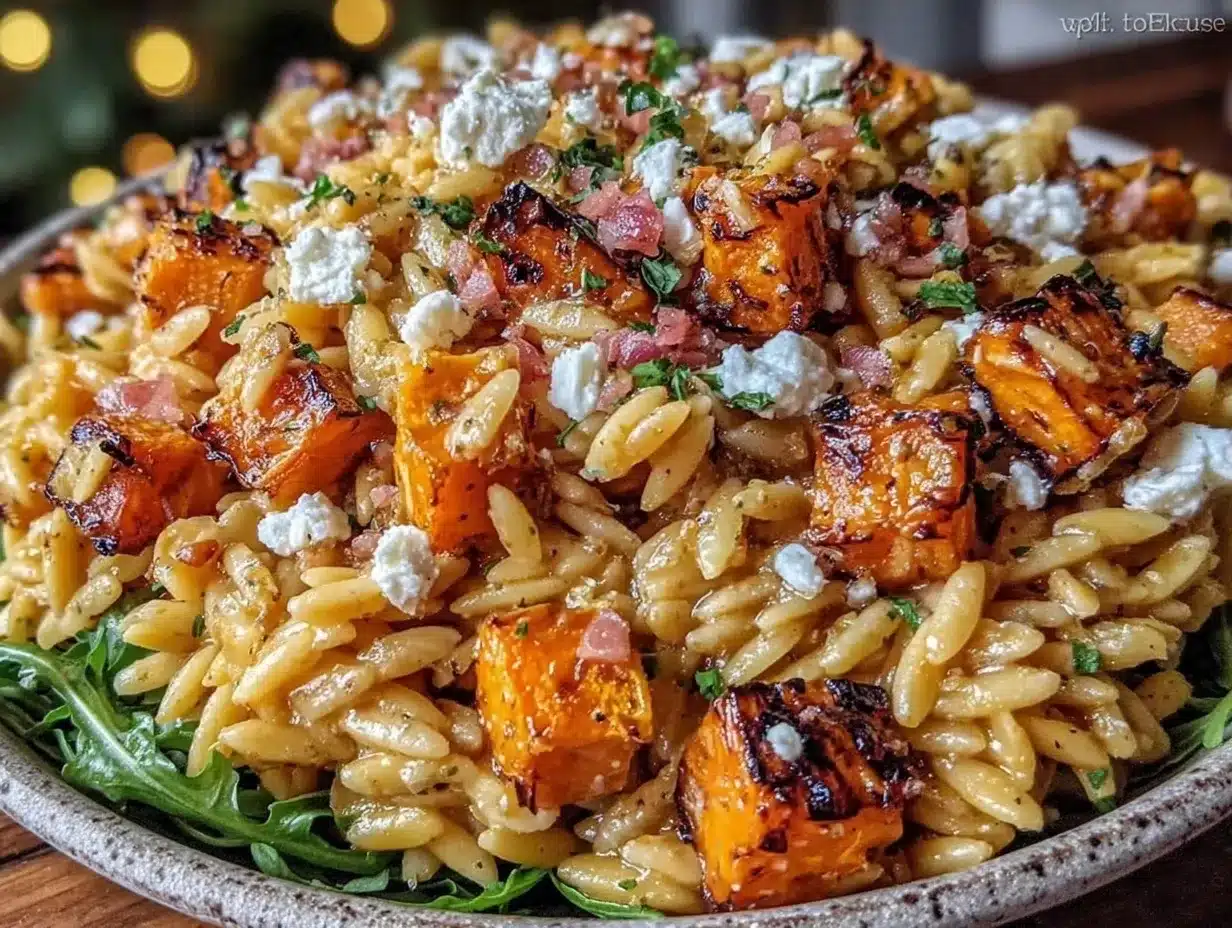
Orzo pasta (1 pound / 450g) — I use Barilla or De Cecco. Cook it al dente—this is crucial because it will continue to absorb liquid in the salad. If you overcook it now, it’ll be mushy later. Rinse it under cold water after draining to stop the cooking and cool it down quickly.
Feta cheese (6 ounces, crumbled / about 170g) — I buy a block of feta and crumble it myself. Pre-crumbled feta is often dry and salty. Block feta is creamier and has a better texture. Greek feta is my favorite for its tangy flavor.
Red onion (1 medium, finely diced / about 100g) — Red onion adds a sharp, colorful crunch. If you’re sensitive to raw onion, soak the diced onion in cold water for 10 minutes to mellow the flavor, then drain well.
Fresh parsley (½ cup, chopped) — Flat-leaf parsley is best. It adds a fresh, grassy note that balances the richness of the squash and feta.
For the Lemon-Herb Vinaigrette
Fresh lemon juice (¼ cup / 60ml) — About 2 large lemons. Bottled lemon juice just doesn’t have the same brightness. Squeeze it fresh right before making the dressing.
Dijon mustard (1 tablespoon) — This emulsifies the dressing and adds a subtle tang. Grey Poupon or Maille works well.
Honey (1 tablespoon) — Just a touch to balance the acidity of the lemon and the saltiness of the feta. You can substitute with maple syrup if you prefer.
Garlic (2 cloves, minced) — Fresh garlic is essential. No jarred garlic in this recipe. Mince it finely so you don’t get big chunks of raw garlic in your bite.
Extra virgin olive oil (½ cup / 120ml) — This is the base of the dressing. Use a robust, fruity olive oil. It makes a huge difference in the final taste.
Fresh thyme leaves (2 teaspoons) — Strip the leaves from the stems. Thyme pairs beautifully with both squash and feta. If you don’t have fresh thyme, 1 teaspoon of dried thyme will work, but fresh is preferred.
Equipment Needed
You don’t need fancy equipment for this. Here’s what I actually use:
Baking sheet — A large rimmed baking sheet. I use a half-sheet pan. Line it with parchment paper for easy cleanup, though it’s not strictly necessary. The parchment helps the squash roast evenly without sticking.
Large pot — For boiling the orzo. A 6-quart pot works well. You need enough water for the pasta to move around.
Large mixing bowl — Something big enough to hold the orzo, squash, feta, and dressing. I use a 5-quart stainless steel bowl. It’s sturdy and easy to toss everything in.
Small bowl and whisk — For making the vinaigrette. A small glass bowl is perfect. Whisking by hand ensures the dressing emulsifies properly.
Sharp knife and cutting board — For dicing the squash, onion, and herbs. A chef’s knife is ideal for the squash.
Colander — For draining the pasta. Or just use the lid to drain—I do this when I’m being lazy, but a colander is easier.
How to Make It: Step-by-Step
Alright, let’s make this! I’m walking you through exactly how I do it, including the little tricks I’ve picked up. This process is simple, but timing matters.
Step 1: Prep the Squash (10 minutes)
Preheat your oven to 400°F (200°C). Peel the butternut squash. I know, peeling squash can be a pain. If you’re worried about it, use a sturdy vegetable peeler or a sharp knife. Cut it in half, scoop out the seeds, and then cube it into 1-inch pieces. Try to keep the cubes uniform so they roast evenly. Toss the cubes with 2 tablespoons of olive oil, salt, pepper, and half of the sage leaves on a parchment-lined baking sheet.
Step 2: Roast the Squash (25-30 minutes)
Spread the squash in a single layer on the baking sheet. Don’t overcrowd the pan! If the pieces are touching, they’ll steam instead of roast. You want them to get caramelized and slightly crispy on the edges. Roast for 25-30 minutes, flipping halfway through. The squash is done when it’s tender when pierced with a fork and has golden-brown spots. Remove from the oven and let it cool slightly. You can leave the oven on for later if you’re adding other dishes.
Step 3: Cook the Orzo (10 minutes)
While the squash roasts, bring a large pot of salted water to a boil. The water should taste like the ocean. Add the orzo and cook according to package directions until al dente. This usually takes 8-10 minutes. IMPORTANT: Reserve ½ cup of the pasta water before draining. This starchy water can be used to adjust the dressing consistency if needed. Drain the orzo and rinse it under cold water to stop the cooking. This also helps it cool down quickly so it doesn’t get mushy in the salad.
Step 4: Make the Vinaigrette (5 minutes)
In a small bowl, whisk together the lemon juice, Dijon mustard, honey, minced garlic, and remaining sage leaves. Slowly drizzle in the ½ cup of olive oil while whisking constantly. This emulsifies the dressing, creating a creamy, cohesive sauce. Taste and adjust seasoning. Add more salt, pepper, or lemon juice if needed. The dressing should be bright and tangy.
Step 5: Assemble the Salad (10 minutes)
In your large mixing bowl, combine the cooled orzo, roasted squash, crumbled feta, and diced red onion. Pour the vinaigrette over the mixture. Toss gently but thoroughly to coat everything evenly. If the salad seems too dry, add a splash of the reserved pasta water to help the dressing cling to the orzo. Taste and adjust seasoning one last time. Add a pinch more salt or pepper if needed.
Step 6: Chill and Serve
At this point, you can serve it immediately, but I recommend chilling it in the refrigerator for at least 1 hour, or overnight. This allows the flavors to meld and the orzo to absorb the dressing. Before serving, give it a good toss. Garnish with extra feta, fresh parsley, and a few sage leaves for presentation. This cozy fall orzo salad with roasted butternut squash and feta is best served at room temperature or slightly chilled.
Total Time: About 45 minutes (10 minutes prep, 35 minutes cooking/chilling)
Expert Tips & Tricks
Here’s everything I’ve learned from making this dozens of times. These tips will save you from my mistakes.
Don’t Skip the Cold Rinse
After boiling the orzo, rinse it under cold water. This stops the cooking process and prevents the pasta from becoming gummy. It’s a small step that makes a huge difference in texture.
Roast Until Caramelized
Don’t just roast the squash until it’s soft. You want those caramelized edges. The sweetness from the caramelization balances the tangy feta and lemon dressing. If the squash is pale, it’ll taste bland.
Use Block Feta
I can’t stress this enough. Pre-crumbled feta is often dry and overly salty. Buy a block and crumble it yourself. It’s creamier, fresher, and has a better texture. It’s worth the extra two minutes.
Let It Chill
I know you want to eat it right away, but let it chill for at least an hour. The flavors meld together, and the orzo absorbs the dressing. It’s not just a salad; it’s a flavor experience that improves with time.
Toast the Nuts (Optional)
If you’re adding walnuts or pecans, toast them in a dry skillet for 2-3 minutes before adding to the salad. This releases their oils and adds a deeper, nuttier flavor. It’s a pro move that elevates the dish.
Common Mistakes
Mistake: Salad is too dry. Fix: Add a splash of pasta water or more vinaigrette. The orzo absorbs liquid, so it might need a boost.
Mistake: Orzo is mushy. Fix: Cook it al dente and rinse it immediately. Overcooked orzo will turn into a paste.
Mistake: Dressing is too acidic. Fix: Add a bit more honey or olive oil to balance the lemon juice.
Variations & Substitutions
Once you’ve nailed the basic version, here’s how you can mix it up. I’ve tried all of these, and they’re all delicious.
Protein-Packed Version
Add grilled chicken, shrimp, or chickpeas. I love adding leftover roasted chicken from my cozy fall chicken thighs recipe. It makes the salad more filling and turns it into a main course.
Gluten-Free Option
Swap the orzo for gluten-free orzo, quinoa, or farro. Quinoa adds a nice nutty flavor and holds up well in the dressing. Farro is chewy and hearty, perfect for fall.
Vegan Version
Replace the feta with vegan feta or crumbled tofu marinated in lemon juice and herbs. Use maple syrup instead of honey. The rest of the ingredients are naturally vegan.
Spicy Kick
Add red pepper flakes to the dressing or toss in some diced jalapeños. It adds a nice heat that contrasts with the sweet squash.
Dried Fruit Addition
Toss in some dried cranberries or chopped apricots. The tartness and chewiness add another layer of complexity. I love this version for holiday gatherings.
Serving & Storage
How to Serve:
I usually serve this in a large, rustic bowl at the center of the table. It’s meant to be shared. Pair it with crusty bread, a simple green salad, or grilled proteins. It goes well with my crispy chicken bacon ranch quesadillas for a fun, casual dinner party.
Side Dishes:
– Garlic bread or focaccia
– Roasted Brussels sprouts
– Grilled asparagus
– A simple arugula salad with lemon vinaigrette
Storage Instructions:
Refrigerator: Store in an airtight container for up to 4 days. The flavors will continue to meld, so it actually tastes better on day two and three.
Reheating: This salad is best served cold or at room temperature. Do not reheat it. The orzo will become mushy, and the feta will melt into an unappetizing blob.
Freezing: Do not freeze this salad. The orzo and vegetables will lose their texture, and the dressing will separate.
Nutrition Information
I’m not a nutritionist, but here’s the breakdown if you’re tracking. Keep in mind that values can vary based on specific brands and portion sizes.
Per Serving (based on 8 servings):
- Calories: 380
- Protein: 12g
- Carbs: 45g
- Fiber: 4g
- Sugar: 6g
- Fat: 16g
- Saturated Fat: 5g
- Cholesterol: 20mg
- Sodium: 450mg
What’s Good: It’s a good source of complex carbs from the orzo, fiber from the squash, and calcium from the feta. It’s also rich in vitamins A and C from the squash.
What to Know: It’s moderate in sodium due to the feta. Use low-sodium feta if you’re watching your salt intake. It’s also relatively high in calories due to the olive oil and feta, so keep portions in mind.
Final Thoughts
So that’s my cozy fall orzo salad with roasted butternut squash and feta! I’ve probably talked your ear off at this point, but when you make a recipe this often, you have a lot to say about it.
This salad has saved me more times than I can count. It’s my answer to “what can I bring to the potluck?” or “what’s a easy but impressive dish for guests?” It’s comforting, it’s flavorful, and it’s beautiful. My guests always ask for the recipe, and my family begs me to make it again and again.
Make it yours! Try different nuts, swap the herbs, or add your favorite protein. The best recipes are the ones you adapt to your tastes. If you make this, drop a comment and let me know what you think! I love hearing how recipes turn out in your kitchen. And if something doesn’t work, tell me that too—I’m here to help troubleshoot.
Happy cooking! And I hope your kitchen smells half as good as mine does right now.
Frequently Asked Questions
Can I use regular pasta instead of orzo?
You can, but orzo is key to this recipe. Its small, rice-like shape holds the dressing well and has a unique texture. If you must use another pasta, try small shells or ditalini, but avoid long pastas like spaghetti. They won’t mix well with the chunky ingredients.
Why did my orzo turn out mushy?
This usually happens if you overcook it or don’t rinse it after draining. Cook the orzo al dente (firm to the bite) and immediately rinse it under cold water to stop the cooking process. This keeps the grains separate and prevents mushiness.
Can I make this ahead of time?
Yes! In fact, it’s better made ahead. Assemble the salad up to 24 hours in advance. Store it in the fridge in an airtight container. Let it come to room temperature for 30 minutes before serving for the best flavor.
Is this salad gluten-free?
Traditional orzo is made from wheat, so it’s not gluten-free. However, you can easily swap it for gluten-free orzo, quinoa, or farro. The rest of the ingredients are naturally gluten-free, so the dish is easily adaptable.
Can I add other vegetables?
Absolutely! Roasted sweet potatoes, caramelized onions, or sautéed mushrooms would all work beautifully. You can also add fresh baby spinach or arugula for a greensy kick. Get creative with what’s in season.
How long does this salad last in the fridge?
It lasts for up to 4 days in the refrigerator. The flavors actually improve after the first day as the orzo absorbs the dressing. Just give it a good toss before serving if it looks dry.
Can I freeze this salad?
No, I don’t recommend freezing this salad. The orzo will become soft and mushy upon thawing, and the feta will lose its texture. It’s best enjoyed fresh or chilled for a few days.
Pin This Recipe!
Cozy Fall Orzo Salad with Roasted Butternut Squash and Feta
- Total Time: 45 minutes
- Yield: 8 servings 1x
Description
A crowd-pleasing pasta salad that combines nutty orzo, caramelized roasted butternut squash, tangy feta cheese, and a bright lemon-herb vinaigrette. It tastes even better the next day, making it perfect for dinner parties or meal prep.
Ingredients
- 1 large butternut squash (about 1.5 lbs), peeled and cubed into 1-inch pieces
- 3 tablespoons extra virgin olive oil (divided)
- Salt and black pepper to taste
- 10–12 fresh sage leaves (divided)
- 1 pound orzo pasta
- 6 ounces feta cheese, crumbled
- 1 medium red onion, finely diced
- ½ cup fresh parsley, chopped
- ¼ cup fresh lemon juice (about 2 large lemons)
- 1 tablespoon Dijon mustard
- 1 tablespoon honey
- 2 cloves garlic, minced
- 2 teaspoons fresh thyme leaves
Instructions
- Preheat oven to 400°F (200°C). Peel and cube the butternut squash into 1-inch pieces.
- Toss squash cubes with 2 tablespoons olive oil, salt, pepper, and half of the sage leaves on a parchment-lined baking sheet.
- Spread squash in a single layer and roast for 25-30 minutes, flipping halfway, until tender and caramelized. Let cool slightly.
- While squash roasts, bring a large pot of salted water to a boil. Cook orzo until al dente (8-10 minutes).
- Reserve ½ cup of pasta water, then drain orzo and rinse under cold water to stop cooking. Set aside.
- In a small bowl, whisk together lemon juice, Dijon mustard, honey, minced garlic, remaining sage leaves, and thyme.
- Slowly drizzle in the remaining ½ cup olive oil while whisking constantly to emulsify the dressing.
- In a large mixing bowl, combine cooled orzo, roasted squash, crumbled feta, and diced red onion.
- Pour vinaigrette over the mixture and toss gently to coat. Add reserved pasta water if the salad seems dry.
- Chill in the refrigerator for at least 1 hour or overnight to allow flavors to meld. Serve at room temperature or slightly chilled.
Notes
For best results, use block feta rather than pre-crumbled for better texture. Ensure orzo is rinsed with cold water to prevent mushiness. The salad improves in flavor after chilling overnight. Do not freeze this salad as the orzo texture will suffer.
- Prep Time: 10 minutes
- Cook Time: 35 minutes
- Category: Salad
- Cuisine: American
Nutrition
- Serving Size: 1 cup
- Calories: 380
- Sugar: 6
- Sodium: 450
- Fat: 16
- Saturated Fat: 5
- Carbohydrates: 45
- Fiber: 4
- Protein: 12
Keywords: orzo salad, butternut squash salad, fall recipes, dinner party food, gluten-free option, make-ahead salad, feta salad, roasted squash


