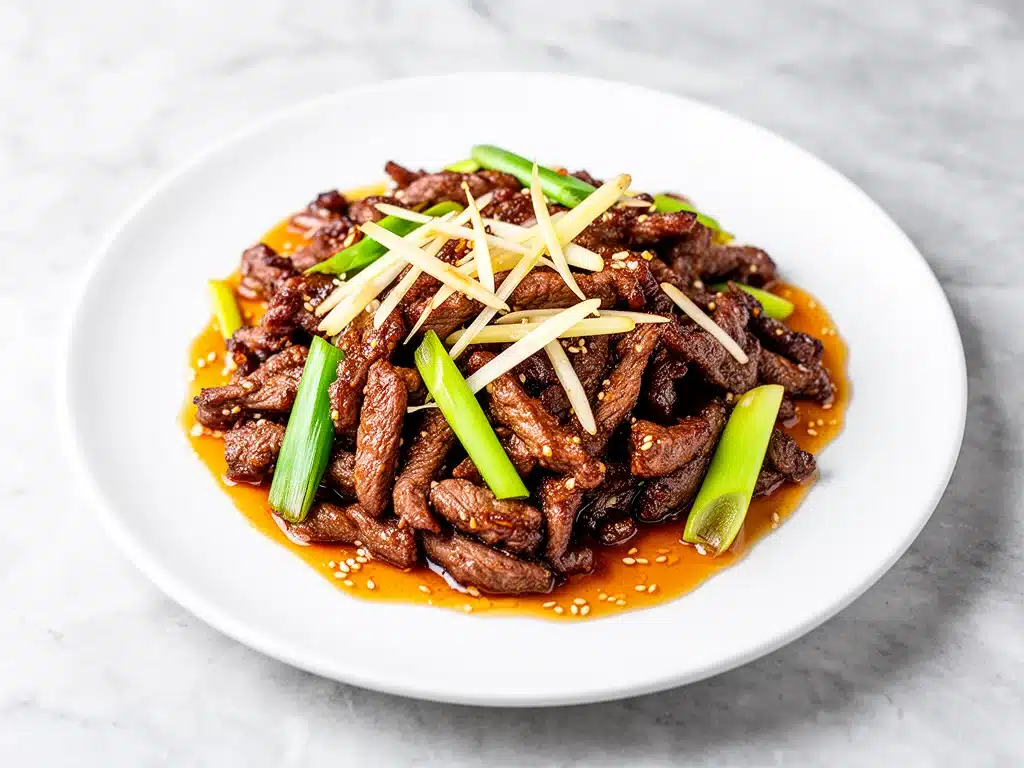
Let’s be honest for a second. I have a complicated relationship with takeout. On one hand, I love the convenience. On the other hand, I love my wallet and my arteries just a little bit more. For years, I ordered the Mongolian beef from that Chinese place down the street. You know the one—the one where the beef is always so tough you need a machete to cut it, and the sauce is just… there. It’s sweet, sure. But it lacks that deep, savory punch that makes you want to lick the container.
Then, about three years ago, I got frustrated. I was standing in my kitchen at 7 PM, staring at a greasy plastic bag, and I decided I was done. I wanted beef that actually tasted like beef, with a sauce that clung to every single strand, not one that pooled at the bottom of the bowl like a puddle of sugar syrup. I spent weeks testing different cuts of meat, different cornstarch ratios, and different ways to caramelize brown sugar without burning it to a crisp.
What I ended up with isn’t just “good homemade takeout.” It’s genuinely better than the restaurant version. And I say that with zero shame. This Mongolian Beef with Sticky Brown Sugar Glaze is the kind of dish that makes my neighbors knock on my door asking what smells so good. It’s sweet, salty, spicy, and incredibly tender. The secret isn’t fancy ingredients—it’s technique. Specifically, how you prep the beef and how you handle the heat.
I’ve made this recipe at least a dozen times since I cracked the code. Sometimes I make it for date night, sometimes for a quick weeknight dinner when I’m too tired to think, and sometimes just because I’m craving that sticky, savory comfort. It’s become my go-to answer for “what’s for dinner?” when I want something that feels special but doesn’t require a trip to the grocery store for exotic spices. So, let’s get into why this recipe is worth your time, your ingredients, and your hunger.
Why You’ll Love This Sticky Brown Sugar Beef
There are a few reasons I keep coming back to this Mongolian Beef recipe, but they mostly boil down to convenience, flavor, and sheer satisfaction. Here’s the real talk on why this dish wins every single time.
It Beats Takeout Hands-Down — Seriously. Restaurant Mongolian beef is often made with flank steak that’s been tenderized with chemicals or overcooked to death. My version uses flank steak that’s been velveted in cornstarch and egg white. The result? Beef that’s silky, tender, and melts in your mouth. The sauce is glossy and thick, not watery. Once you taste this, you’ll never order takeout again. (Okay, maybe you’ll still order it sometimes, but you’ll know the truth.)
Ready in 20 Minutes — I know, I know. Cooking beef usually sounds like a commitment. But this is a speed demon. The beef cooks in minutes. The sauce comes together in the same pan while the beef rests. From chopped onions to plated dinner, it’s under 20 minutes. This is perfect for those nights when you want a “fancy” meal but don’t want to spend an hour at the stove.
One-Pan Wonder — Clean-up is the enemy of home cooking. This recipe uses just one large skillet or wok for the beef and one small saucepan for the glaze. If you’re feeling lazy (and I am sometimes), you can even make the sauce directly in the skillet after cooking the beef, though I prefer the saucepan method for better control over the caramelization.
Customizable Heat Level — Some people love it spicy; some hate it. This recipe lets you control the fire. The ginger and garlic provide aroma, but the chili flakes provide the kick. You can add a teaspoon or a tablespoon depending on your mood. It’s forgiving in that way.
Leftovers Are Amazing — Don’t get me started on how good this is cold or reheated. I’ve packed this for lunch at work more times than I can count. It actually tastes better the next day as the flavors meld together. Just be warned: you might not have any left for lunch if you eat it straight from the pan.
Ingredients You’ll Need for the Best Mongolian Beef
Before we start cooking, let’s talk about what’s going into this dish. I’m particular about a few of these, so pay attention to the details. This isn’t just a list; it’s a guide to getting the flavor right.
For the Beef
Flank Steak (1.5 pounds / 680g) — This is non-negotiable. Sirloin works, but it’s not as tender. Ribeye is too fatty and expensive for this. Flank steak has that beautiful grain that holds up to high heat. Look for a piece that’s uniform in thickness. If it’s weirdly shaped, ask the butcher to trim it.
Low-Sodium Soy Sauce (1/4 cup / 60ml) — I use low-sodium because we’re adding more soy sauce in the sauce later. Regular soy sauce will make the whole dish inedibly salty. If you only have regular, reduce the amount in the sauce by half.
Chinese Rice Wine (2 tablespoons / 30ml) — Shaoxing wine is the gold standard here. It adds a depth of flavor that’s hard to replicate. If you can’t find it, dry sherry is a decent substitute. Do not use cooking wine from the vinegar aisle—it tastes terrible.
Cornstarch (2 tablespoons) — This is the magic dust. It coats the beef and creates that velvety texture. It also helps the sauce cling to the meat later. Make sure it’s fresh; old cornstarch clumps.
Egg White (1 large) — This binds the cornstarch to the beef and keeps it moist. Don’t skip it. It sounds weird, but it’s standard technique for Chinese stir-fries.
Neutral Oil (1 tablespoon) — For the marinade. I use vegetable or canola oil. Olive oil has too strong a flavor for this.
For the Sticky Brown Sugar Glaze
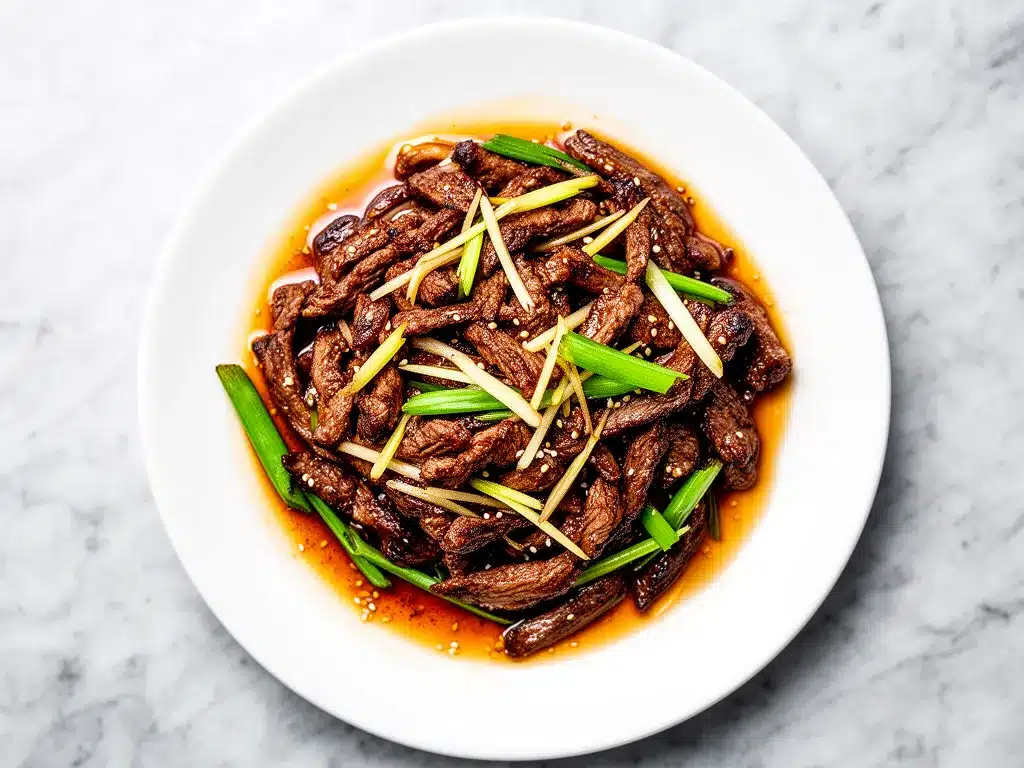
Brown Sugar (1/2 cup / 100g, packed) — Dark brown sugar is best here. It has more molasses, which gives that deep, caramel-like flavor. Light brown sugar works but is less complex.
Water (1/4 cup / 60ml) — To dissolve the sugar.
More Soy Sauce (1/4 cup / 60ml) — For the salty-sweet balance.
Minced Fresh Ginger (1 tablespoon) — Fresh ginger is crucial. Powdered ginger tastes like dirt. Buy a knob of fresh ginger and grate it. If you’re truly lazy, jarred minced ginger works in a pinch, but fresh is better.
Minced Garlic (4 cloves) — Yes, four cloves. Garlic is the backbone of this dish. Don’t be shy. Fresh only.
Red Pepper Flakes (1-2 teaspoons) — Adjust to heat preference. I use 1.5 teaspoons for a nice kick.
Green Onions (4-5 stalks) — Sliced into 1-inch pieces. Use both the white and green parts. They add freshness and crunch.
Sesame Seeds (1 tablespoon, toasted) — For garnish. Toasting them in a dry pan for 2 minutes makes a huge difference. Raw seeds are boring.
Equipment Needed
You don’t need a fancy kitchen to make this. Here’s what I actually use, and what you can swap out.
Large Wok or 12-inch Skillet — I prefer a carbon steel wok because it gets hot fast and has high sides. But a large cast-iron skillet or stainless steel pan works just as well. The key is surface area. You need room to spread the beef out so it sears, not steams.
Small Saucepan — For making the glaze separately. This gives you better control over the sugar caramelization. If you’re brave, you can make it in the skillet, but watch your fingers.
Sharp Knife — For slicing the beef against the grain. A dull knife will tear the meat and make slicing impossible. I use my 8-inch chef’s knife.
Cutting Board — Any size works. I use a large plastic one for easy cleanup.
Whisk — For mixing the sauce ingredients until the sugar dissolves.
Tongs or Spatula — For flipping the beef. I use tongs for the beef and a silicone spatula for the sauce.
How to Make Mongolian Beef: Step-by-Step
Alright, let’s cook. I’m going to walk you through this exactly how I do it, including the little tricks that prevent disaster.
Step 1: Prep the Beef (10 minutes)
First, take your flank steak out of the fridge. Let it sit for 10 minutes while you chop veggies. Pat it completely dry with paper towels. Moisture is the enemy of a good sear. Then, slice the beef against the grain into thin strips, about 1/4-inch thick. You want them thin enough to cook quickly but thick enough to have texture. “Against the grain” means you’re cutting perpendicular to the muscle fibers. This shortens the fibers and makes the beef tender. If you cut with the grain, it’ll be chewy.
In a bowl, combine the sliced beef, soy sauce, rice wine, egg white, and cornstarch. Mix well with your hands until the beef is coated and sticky. It should look like a wet paste. Let it marinate for at least 15 minutes, or up to 2 hours in the fridge. This step is crucial for tenderness.
Step 2: Make the Glaze (5 minutes)
While the beef marinates, make the sauce. In a small saucepan, combine the brown sugar, water, soy sauce, ginger, garlic, and red pepper flakes. Whisk it over medium heat until the sugar dissolves. It doesn’t need to boil yet—just get it mixed and warm. Set aside. This will thicken up later.
Step 3: Sear the Beef (5-7 minutes)
Heat your wok or skillet over high heat. Add the neutral oil. When the oil shimmers and just starts to smoke, add the beef in a single layer. Do not overcrowd the pan! If you put all the beef in at once, it’ll steam and turn gray. Cook in batches if you have to. Let the beef sit for 1-2 minutes without moving it. You want a crust. Then flip and cook for another minute. The beef should be browned and slightly crispy on the edges. Remove the beef to a plate. Don’t worry if it’s not fully cooked through yet.
Step 4: Cook the Aromatics (1 minute)
Reduce the heat to medium. In the same pan, add a tiny splash of oil if needed. Toss in the white parts of the green onions. Stir-fry for 30 seconds until fragrant. This infuses the oil with onion flavor.
Step 5: Combine and Glaze (3 minutes)
Pour the sauce mixture into the pan with the green onions. Let it bubble and thicken for about 1-2 minutes. It should coat the back of a spoon. Then, add the seared beef back into the pan. Toss everything together vigorously. The sauce will cling to the beef instantly. Cook for another minute to heat the beef through and let the flavors meld. The beef should be glossy and coated in a sticky glaze.
Step 6: Serve
Transfer to a serving platter. Garnish with the green parts of the green onions and toasted sesame seeds. Serve immediately over steamed jasmine rice. The rice is essential to soak up that extra sauce.
Expert Tips & Tricks
Here’s everything I’ve learned from making this dozens of times. These tips will save you from my mistakes.
Slice Against the Grain
This is the #1 tip. I cannot stress this enough. If you slice with the grain, the beef will be tough and chewy. Find the direction of the muscle fibers and cut perpendicular to them. It makes the difference between restaurant-quality and sad steak.
Don’t Crowd the Pan
When searing the beef, give it space. If the pieces are touching, they release moisture and steam each other. You want a Maillard reaction—that nice brown crust. Cook in batches if necessary. It’s worth the extra 5 minutes.
Velveting is Key
The cornstarch and egg white marinade is called “velveting.” It creates a protective barrier that keeps the beef moist. Don’t skip it. It’s the secret to that tender texture.
Toast Your Sesame Seeds
Raw sesame seeds are bland. Toast them in a dry pan for 2 minutes until they’re golden and fragrant. It adds a nutty depth that elevates the whole dish.
Use Low-Sodium Soy Sauce
Mongolian beef is salty. If you use regular soy sauce, you’ll need to cut the sugar or add more water. Low-sodium gives you control. You can always add salt, but you can’t take it out.
Make It Ahead
You can prep the beef and sauce up to 24 hours in advance. Store the marinated beef in the fridge and the sauce in a jar. When you’re ready to cook, just sear and combine. Great for busy weeknights.
Variations & Substitutions
Once you’ve nailed the basic version, here’s how you can mix it up. I’ve tried all of these.
Spicy Mongolian Beef
Add 1 tablespoon of chili crisp or sriracha to the sauce. Or use 3 teaspoons of red pepper flakes instead of 1. This version is for heat lovers.
Honey-Ginger Beef
Swap half the brown sugar for honey. Add an extra tablespoon of fresh ginger. This version is sweeter and more floral. My kids prefer this one.
Vegetarian Version
Use thick slices of portobello mushrooms or extra-firm tofu pressed and frozen. The tofu gets a nice chewy texture. Marinate it the same way. It’s surprisingly good.
Gluten-Free
Use tamari instead of soy sauce, and make sure your rice wine is gluten-free. Everything else is naturally gluten-free. I use Coconut Secret tamari.
Low-Carb/Keto
Skip the rice. Serve over cauliflower rice or zucchini noodles. Reduce the sugar to 2 tablespoons or use a sugar substitute like erythritol. The sauce will be thinner, so thicken it with a cornstarch slurry.
Serving & Storage
How to serve this beast of a dish.
How to Serve:
I serve this straight from the skillet at the table. It looks rustic and stays warm. But here are other ways I’ve enjoyed it:
- Jasmine Rice: The classic choice. Steamed rice is essential.
- Lo Mein Noodles: Toss the beef with cooked lo mein noodles for a pasta-like dish.
- Rice Bowls: Over brown rice with steamed broccoli and a fried egg.
- Letuce Wraps: Use butter lettuce leaves to scoop up the beef. Lighter and fun.
Toppings Bar:
When I have guests, I put out: extra red pepper flakes, chopped cilantro, crushed peanuts, and lime wedges. Everyone customizes their bowl.
Storage Instructions:
Store leftovers in an airtight container in the fridge for up to 3 days. The sauce will thicken as it cools. Reheat in a skillet with a splash of water to loosen the sauce. Microwave works but can make the beef rubbery if overheated.
Freezing:
Honestly, this doesn’t freeze well. The beef texture changes, and the sauce can separate. Make it fresh or store in the fridge for up to 3 days.
Nutrition Information
I’m not a nutritionist, but here’s the breakdown if you’re tracking.
Per Serving (based on 4 servings):
- Calories: 450
- Protein: 35g
- Carbs: 32g
- Fiber: 1g
- Sugar: 24g
- Fat: 18g
- Saturated Fat: 6g
- Cholesterol: 90mg
- Sodium: 980mg
What’s Good: High protein from the beef. Can add vegetables to boost nutrition.
What to Know: Higher in sodium and sugar from the soy sauce and brown sugar. Use low-sodium soy sauce and reduce sugar if watching intake.
My Take: Look, this is comfort food. It’s not a diet recipe. But it’s way better than takeout, costs less, and I know exactly what’s in it. When I want to make it lighter, I use more broccoli and less rice. But usually? I just eat a reasonable portion and enjoy it.
Final Thoughts
So that’s my go-to Mongolian Beef! I’ve probably talked your ear off at this point, but when you make a recipe this often, you have a lot to say about it. This has saved weeknight dinners more times than I can count. It’s my answer to “what’s for dinner?” when I’m tired, don’t want takeout, and still want something that tastes really good. My family is happy, my wallet is happy, and I’m happy because I’m not stressed about cooking.
Make it yours! Try different add-ins, swap in your favorite vegetables, adjust the garlic (though more is always better in my opinion). The best recipes are the ones you adapt to your family’s tastes.
If you make this, drop a comment and let me know what you think! I love hearing how recipes turn out in your kitchen. And if something doesn’t work, tell me that too—I’m here to help troubleshoot.
Happy cooking! And I hope your kitchen smells half as good as mine does right now.
Frequently Asked Questions
Can I use skirt steak instead of flank steak?
You can, but skirt steak is thinner and cooks faster. You’ll need to reduce the searing time to avoid overcooking. Flank steak has a better texture for this dish because it holds up to the high heat without falling apart. If you use skirt steak, slice it into very thin strips.
Why is my beef tough?
Two reasons: either you didn’t slice against the grain, or you overcooked it. Flank steak is lean and can become chewy if cooked too long. Sear it quickly over high heat, and remove it from the pan as soon as it’s browned. It will finish cooking when you toss it in the sauce.
Can I make the sauce ahead of time?
Yes! The sauce keeps in the fridge for up to 5 days. In fact, the flavors meld together nicely overnight. Just reheat it gently before adding it to the beef. This saves time on busy weeknights.
Why did my sauce turn out watery?
Usually means you didn’t let it simmer long enough to reduce. The sauce needs to thicken to a glaze-like consistency. If it’s still watery after adding the beef, let it cook for another minute. If it’s still thin, mix 1 teaspoon of cornstarch with 1 tablespoon of water and stir it in. It will thicken instantly.
Can I use regular soy sauce?
You can, but the dish will be very salty. If you use regular soy sauce, reduce the amount in the sauce by half, or add a little more water. Low-sodium soy sauce gives you better control over the final salt level.
How do I reheat leftovers?
The best way is in a skillet over medium-low heat with a splash of water. This loosens the sauce and reheats the beef gently. Microwaving can make the beef rubbery, but if you must, heat in 30-second intervals and stir in a splash of water between each.
Can I freeze this dish?
I don’t recommend it. The beef texture changes when frozen and reheated, becoming tough. The sauce can also separate. It’s best made fresh. If you need to prep ahead, marinate the beef and make the sauce separately, then cook when ready to eat.
Pin This Recipe!
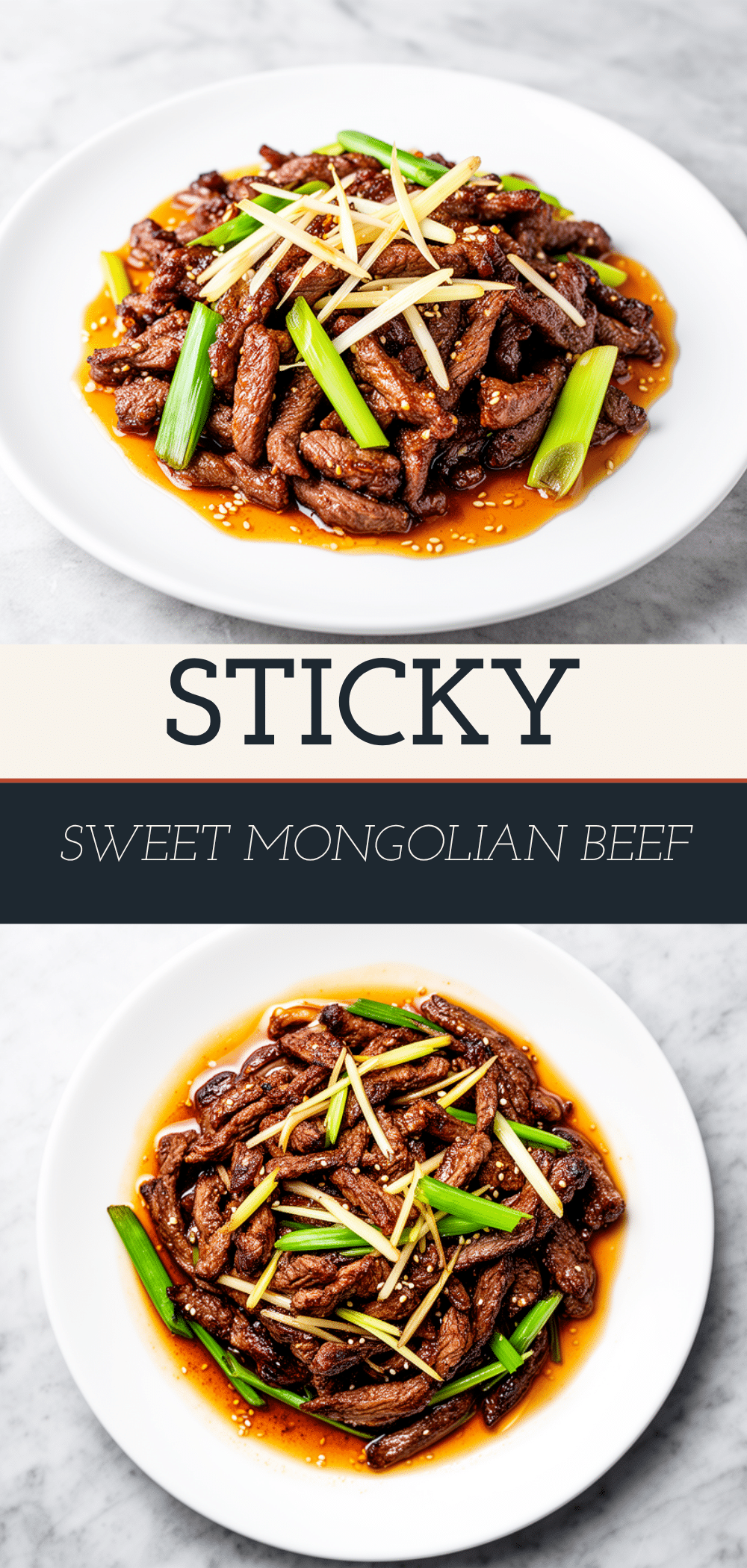
Mongolian Beef: Best Sticky Brown Sugar Recipe
- Total Time: 25 minutes
- Yield: 4 servings 1x
Description
A homemade version of Mongolian beef that beats takeout, featuring tender flank steak velveted in cornstarch and coated in a glossy, sticky brown sugar glaze. Ready in under 20 minutes with simple ingredients.
Ingredients
- 1.5 pounds flank steak
- 1/4 cup low-sodium soy sauce (for marinade)
- 2 tablespoons Chinese rice wine (Shaoxing wine)
- 2 tablespoons cornstarch
- 1 large egg white
- 1 tablespoon neutral oil (for marinade)
- 1/2 cup packed dark brown sugar
- 1/4 cup water
- 1/4 cup low-sodium soy sauce (for sauce)
- 1 tablespoon minced fresh ginger
- 4 cloves garlic, minced
- 1–2 teaspoons red pepper flakes
- 4–5 stalks green onions, sliced
- 1 tablespoon toasted sesame seeds
Instructions
- Pat the flank steak dry and slice it against the grain into thin strips (about 1/4-inch thick).
- In a bowl, combine the sliced beef, 1/4 cup soy sauce, rice wine, egg white, and cornstarch. Mix until coated and sticky. Marinate for at least 15 minutes.
- In a small saucepan, combine brown sugar, water, 1/4 cup soy sauce, ginger, garlic, and red pepper flakes. Whisk over medium heat until sugar dissolves. Set aside.
- Heat a large wok or skillet over high heat with neutral oil. When oil shimmers, add beef in a single layer (cook in batches if necessary). Sear for 1-2 minutes per side until browned and crispy. Remove beef to a plate.
- Reduce heat to medium. Add a splash of oil to the pan and stir-fry the white parts of the green onions for 30 seconds.
- Pour the sauce mixture into the pan with the green onions. Let it bubble and thicken for 1-2 minutes.
- Return the seared beef to the pan. Toss vigorously to coat in the glaze. Cook for another minute until heated through.
- Serve immediately over steamed jasmine rice, garnished with green onion tops and toasted sesame seeds.
Notes
Slice beef against the grain for tenderness. Do not overcrowd the pan when searing to ensure a good crust. Velveting the beef with cornstarch and egg white is crucial for texture. Low-sodium soy sauce is recommended to control salt levels. Leftovers can be stored in the fridge for up to 3 days.
- Prep Time: 15 minutes
- Cook Time: 10 minutes
- Category: Main Course
- Cuisine: Chinese
Nutrition
- Serving Size: 1/4 of the recipe
- Calories: 450
- Sugar: 24
- Sodium: 980
- Fat: 18
- Saturated Fat: 6
- Carbohydrates: 32
- Fiber: 1
- Protein: 35
Keywords: Mongolian Beef, Sticky Brown Sugar, Chinese Takeout, Flank Steak, Quick Dinner, One Pan Meal, Asian Beef Recipe


