Last month, I stared at a jar of sourdough starter in my fridge and felt that familiar pang of guilt. It was hungry. I had to feed it, but I also didn’t want to bake a massive loaf of bread that would sit on my counter for three days while I tried to figure out what to do with it. I don’t have a family of four. I don’t host dinner parties every weekend. I have a small kitchen, a slow evening routine, and a serious aversion to food waste. So, I stopped trying to force big-batch baking into my small-batch life.
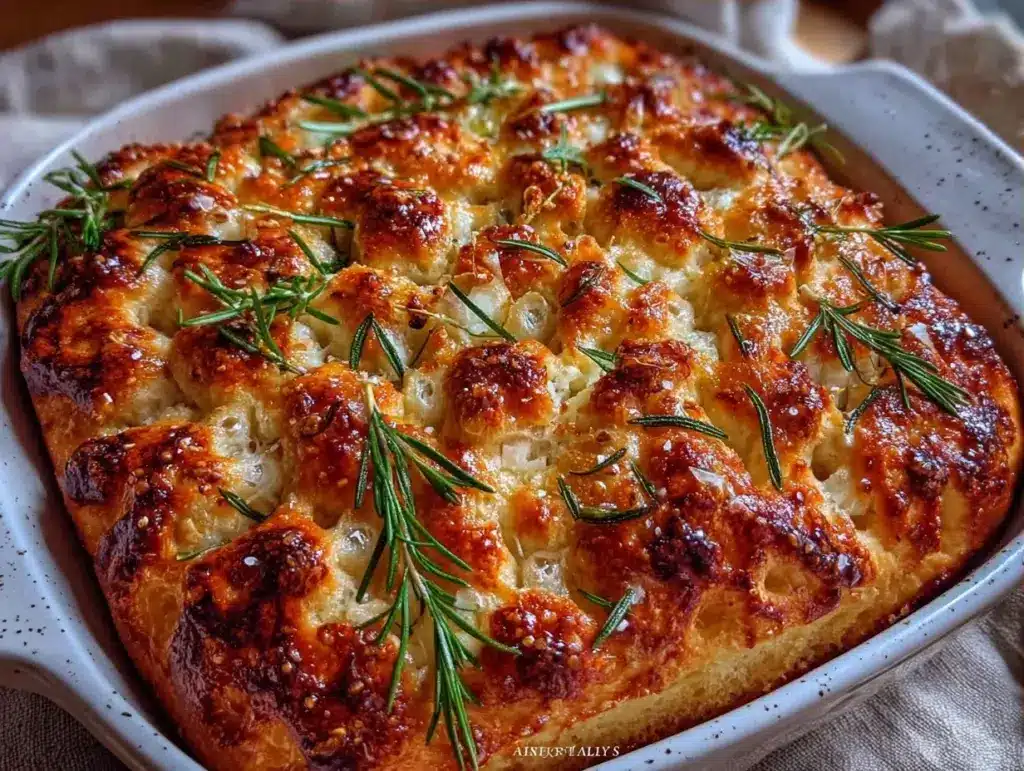
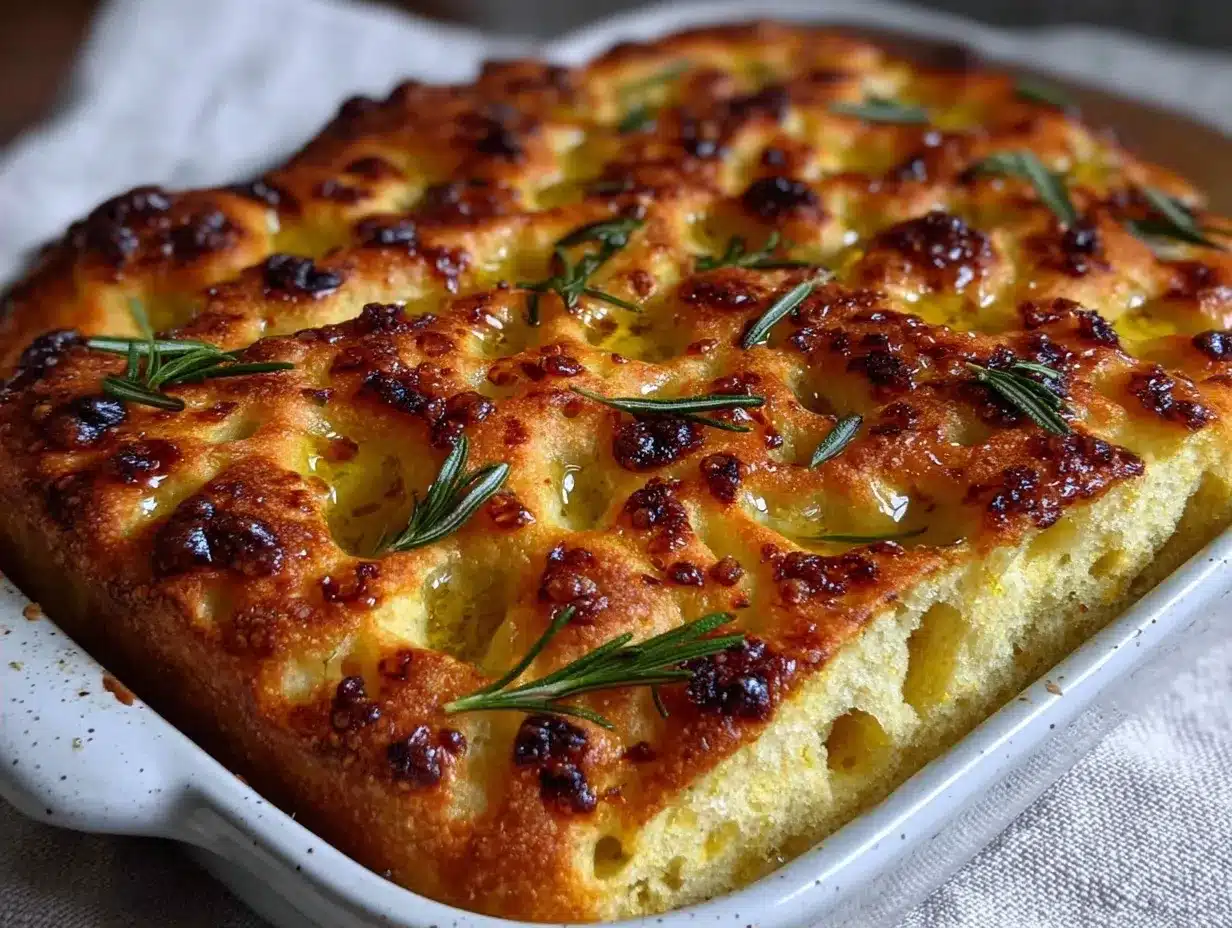
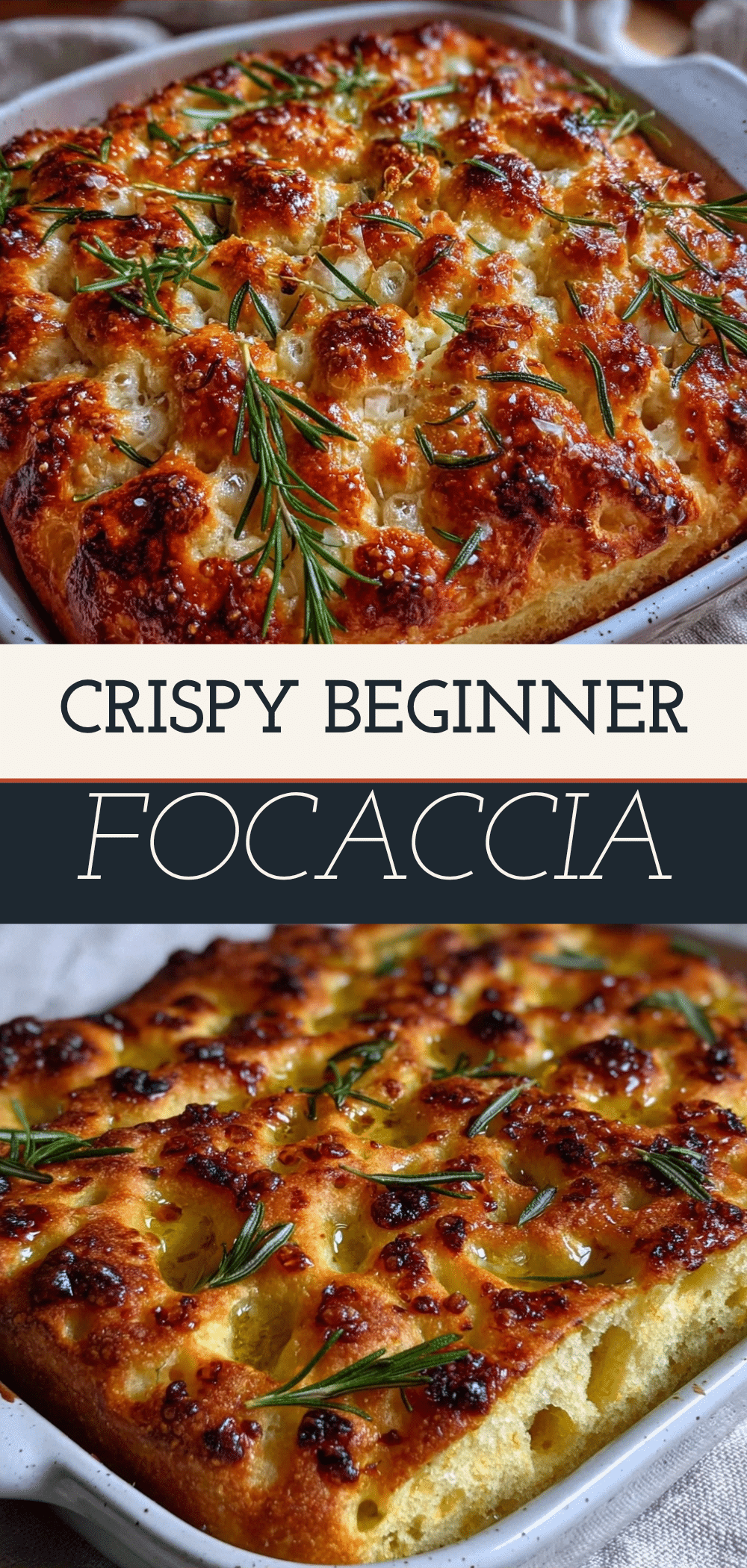
Instead, I started tweaking recipes. I scaled them down. I made mistakes. I ended up with dense, flat discs of dough more times than I care to admit. But then, I cracked the code. This Beginner Sourdough Focaccia for One is the result of that frustration. It’s a small batch recipe designed specifically for one person (or two, if you’re sharing a snack). It uses just enough starter to be active, fits perfectly in a standard 8-inch square pan (or a large mug), and bakes into something so fragrant and airy that you’ll forget you’re eating alone.
I’ve tested this Beginner Sourdough Focaccia for One at least twelve times. Some versions were too salty. Some were too dense. But the current version? It’s the one I make when I want comfort food that feels fancy but takes zero effort. It’s my go-to when I’m craving carbs but don’t want to commit to a day-long baking project. If you’ve been intimidated by sourdough because of the volume, or if you just want fresh bread without the leftovers, this is your answer.
Why You’ll Love This Small Batch Recipe
There is something deeply satisfying about baking bread that is literally the right size for your appetite. Here is why this Beginner Sourdough Focaccia for One has taken up permanent residence in my weekly rotation:
- Zero Starter Waste — You only use about 20 grams of starter. That’s it. No half-jar of discarded starter languishing in the fridge. You feed it, you bake, you recycle the rest. It’s sustainable and stress-free.
- Perfectly Portioned — This recipe yields one generous square of focaccia. No giant sheet pan taking up your oven space. No eating the same bread for dinner, lunch, and snack for three days. It’s exactly what you need, right now.
- Forgiving Texture — Focaccia is hard to mess up. The high hydration and dimpling technique create air pockets even if your shaping isn’t perfect. I’ve made this on tired nights when my brain wasn’t working, and it still came out fluffy and delicious.
- Fast Turnaround — Because the batch is small, the fermentation time is shorter than a big loaf. You can go from starter to finished bread in about 4-5 hours, which fits nicely into a Saturday morning or a lazy Sunday afternoon.
- Maximum Flavor, Minimal Effort — You don’t need fancy equipment. Just a bowl, a pan, and your hands. The olive oil and sea salt do the heavy lifting. It tastes like a $6 artisan bakery item but costs pennies to make.
This is my go-to when dinner needs to just work, or when I need a warm, comforting side that doesn’t require a full meal to accompany it. It’s practical, it’s delicious, and it respects your time.
Key Ingredients for Your Small Batch
Let’s talk about what goes into this Beginner Sourdough Focaccia for One. Since we are working with small quantities, precision matters a little more than it does in big batches. But don’t worry, these are pantry staples.
All-Purpose Flour
(100g / 3/4 cup + 1 tbsp) — I use all-purpose flour for this. Bread flour is great for big loaves, but for a small, tender focaccia, AP flour gives that perfect soft-chewy texture. Measure it by weight if you have a scale (highly recommended for small batches), or spoon it into your cup and level it off. Do not scoop and pack, or your dough will be too stiff.
Water
(65g / 1/4 cup + 1 tsp) — Lukewarm water. Not hot, not cold. Think bathwater temperature. This helps activate the yeast in your starter quickly. Because the ratio is high (65% hydration), the dough will be sticky. This is good! It creates those air bubbles.
Active Sourdough Starter
(20g / 1.5 tbsp) — This needs to be bubbly and active. If it’s sluggish, feed it and wait an hour. You don’t need much, which is the beauty of this Beginner Sourdough Focaccia for One. Just scoop out 20 grams before you feed the rest of your starter.
Sea Salt
(2g / 1/2 tsp) — Fine sea salt mixes better into the small amount of dough. Kosher salt works too, but you might need a tiny bit more because it’s less dense. Don’t skip the salt; it balances the richness of the olive oil.
Extra Virgin Olive Oil
(30g / 2 tbsp + 1 tsp) — This is non-negotiable. You need enough oil to coat the pan and create that crispy, golden bottom. I use a good quality olive oil here because you’ll taste it. Save the fancy stuff for finishing, but use something decent for baking.
Fine Sea Salt for Topping
(Pinch) — Flaky salt like Maldon is beautiful on top, but any coarse sea salt works. It crunches against the soft bread. Perfect.
Tools Needed
You don’t need fancy equipment. Here’s what I use to make this Beginner Sourdough Focaccia for One without a headache.
8-Inch Square Pan — I use an 8-inch square baking pan. You could also use a round 7-inch pan or even a large oven-safe mug. Just know that the shape affects the rise. Square is best for even cooking.
Bench Scraper — Sticky dough is the enemy. A bench scraper helps you fold the dough without sticking to your hands. If you don’t have one, wet your hands frequently.
Small Mixing Bowl — A bowl about 6-7 inches wide is perfect. Too big, and the dough spreads out too thin before it rises.
Pastry Brush or Spoon — For adding that crucial layer of olive oil on top before dimpling.
How to Make Beginner Sourdough Focaccia for One
Here is exactly how I make this, step by step. It’s simple, but there are a few tricks to get that airy crumb.
Step 1: Mix the Dough (5 minutes)
In your small bowl, combine the 20g of active sourdough starter and the 65g of lukewarm water. Stir until the starter dissolves. Add the 100g of flour and 2g of salt. Mix with a spoon or your hand until no dry flour remains. The dough will look shaggy and sticky. That’s normal. Cover the bowl with a plate or plastic wrap and let it rest for 30 minutes. This autolyse phase helps the gluten develop without kneading.
Step 2: The Fold (2 minutes)
After 30 minutes, wet your fingers and reach into the bowl. Grab the edge of the dough, pull it up, and fold it over the center. Rotate the bowl and repeat all around. Do this 3-4 times. This strengthens the dough. Cover and rest for another 30 minutes. Repeat the fold one more time. By now, the dough should feel smoother and more elastic, though still tacky.
Step 3: Pan and First Rise (1.5 – 2 hours)
Generously oil your 8-inch square pan. Pour the dough into the center. It will look like a sad, flat blob. That’s okay. Oil your hands and gently press the dough out toward the corners. Don’t worry about perfection; it will expand. Cover the pan loosely with plastic wrap or a damp towel. Let it rise at room temperature until it looks puffy and fills the pan. This usually takes 1.5 to 2 hours, depending on your kitchen temperature. It should jiggle slightly when you shake the pan.
Step 4: Dimple and Rest (20 minutes)
Preheat your oven to 425°F (220°C). Once the dough is puffy, drizzle about 1-2 tablespoons of olive oil over the top. Use your oiled fingers to press deep dimples into the dough. Go all the way to the bottom. This is the classic focaccia move. It creates those pockets for oil and air. Let it rest on the counter for 20 minutes while the oven heats up. This final proof ensures a light texture.
Step 5: Bake (20-25 minutes)
Sprinkle with flaky sea salt. Slide the pan into the oven. Bake for 20-25 minutes. You want deep golden brown edges and a hollow sound when you tap the bottom. If it sounds doughy, give it 5 more minutes. Let it cool in the pan for 10 minutes, then transfer to a wire rack. The smell alone will make you forget you’re eating alone.
Total Time: About 4.5 hours (mostly waiting). Active time is just 15 minutes.
Expert Tips from a Small-Batch Baker
Here’s everything I learned from making this Beginner Sourdough Focaccia for One too many times.
Don’t Skip the Folds
With such a small batch, gluten development is key to getting lift. The folds replace kneading. If you skip them, your focaccia will be dense. I learned this the hard way on my third attempt. It looked like a hockey puck. Now, I never skip the folds.
Watch the Rise, Not the Clock
Every kitchen is different. My kitchen is cold in winter, warm in summer. Don’t rush the rise. If the dough isn’t puffy and jiggly, it needs more time. Under-proofed dough makes dense bread. Over-proofed dough tastes sour and collapses. Aim for puffy.
Oil is Your Friend
Don’t be shy with the olive oil. The bottom needs to fry slightly to get crispy. If you use too little, you get steamed bread. If you use enough, you get that addictive, crunchy texture. I’ve made this with less oil, and it just wasn’t the same.
Common Problems & Solutions
Dough is too sticky to handle: Wet your hands with water or oil. It prevents sticking better than flour. Adding flour now will make the bread dry.
Focaccia is flat: Your starter wasn’t active enough, or you under-proofed it. Make sure your starter doubles in size before you use it.
Top is burnt, bottom is raw: Your oven runs hot. Tent the top with foil halfway through baking, or move the pan to a lower rack.
Beginner Sourdough Focaccia for One Variations
Once you’ve nailed the basic version, here’s how to mix it up. This small batch format makes experimentation easy.
Rosemary and Garlic
Add 1 tsp of chopped fresh rosemary and 1 minced garlic clove to the dough before the first rise. Press them into the dimples. It smells incredible.
Cherry Tomato and Basil
Halve a cherry tomato and press it into each dimple after the final proof. Sprinkle with fresh basil after baking. Simple and fresh.
Spicy Honey
Drizzle honey mixed with red pepper flakes over the top before baking. The sweetness contrasts with the salty, oily crust.
Dairy-Free Option
This recipe is naturally dairy-free. Just ensure your olive oil is pure. It’s perfect for those avoiding dairy.
Vegan Option
Also naturally vegan. No eggs, no dairy, no honey (unless you add it as a topping). It’s a plant-based comfort food win.
Serving and Storage
Serving
I serve this warm, straight from the rack. It pairs perfectly with a simple green salad or a bowl of ultra creamy loaded baked potato soup. It’s also amazing dipped in balsamic vinegar or alongside creamy tuscan garlic chicken for a complete small-batch meal. Don’t overthink it. Just eat it.
Storage
This Beginner Sourdough Focaccia for One is best eaten the day it’s made. The texture changes as it cools. If you have leftovers (unlikely, but possible), store them in an airtight container at room temperature for up to 2 days. Reheat in a toaster oven or skillet to restore crispiness. It doesn’t freeze well because the texture becomes crumbly after thawing. Honestly, it’s so good you won’t want to save it.
Nutrition Information
I’m not a nutritionist, but here’s the breakdown per serving (one 8-inch square focaccia):
| Nutrient | Amount |
|---|---|
| Calories | 380 |
| Protein | 6g |
| Carbohydrates | 45g |
| Fiber | 2g |
| Fat | 18g |
| Sodium | 350mg |
My Take: This is comfort food with olive oil and flour. It’s not diet food. But it’s better than takeout, and I know exactly what’s in it. The sourdough fermentation makes it easier to digest than commercial bread, which is a nice bonus for sensitive stomachs.
Final Thoughts
Making bread alone doesn’t have to be a chore. It can be a quiet, rewarding ritual. This Beginner Sourdough Focaccia for One changed how I think about baking. It’s practical, it’s tasty, and it doesn’t leave you with a week of leftovers you didn’t ask for. If you make this, drop a comment! I love hearing how it turns out in your kitchen. Did you add rosemary? Did you eat it warm? Let me know.
Happy cooking!
FAQs
Can I use bread flour instead of all-purpose flour?
Yes, but the texture will be chewier and denser. All-purpose flour gives that tender, airy focaccia crumb. If you only have bread flour, reduce the water by 5g to account for the higher absorption.
What if my starter isn’t active?
If it’s sluggish, feed it 20g of starter, 20g of flour, and 20g of water. Wait 4-6 hours until it doubles and bubbles. Don’t use it until it’s lively. Dead starter means flat bread.
Can I make this ahead of time?
You can let it rise in the fridge overnight after the first fold. Take it out in the morning, let it come to room temp, dimple, and bake. It adds a slightly sourer flavor, which some people love.
Why is my focaccia dense?
Usually, this means under-proofing. The dough needs to be puffy and jiggly before baking. Also, check your starter. If it wasn’t active, the yeast couldn’t create gas.
Can I freeze this?
I don’t recommend it. Focaccia loses its soft texture when frozen and reheated. It’s best fresh. But if you must, wrap it tightly and freeze for up to 1 month. Reheat in the oven.
Is this recipe gluten-free?
No, it uses wheat flour. For a gluten-free version, you’d need to use a gluten-free flour blend and xanthan gum, but the texture will be different. Sourdough’s natural gluten breakdown helps, but it’s not safe for celiacs unless made with GF flour.
Pin This Recipe!
Beginner Sourdough Focaccia for One: Perfect Small Batch
- Total Time: 4.5 hours
- Yield: 1 serving 1x
Description
A small-batch sourdough focaccia recipe designed for one or two people, using just 20g of starter and fitting perfectly in an 8-inch square pan for a fresh, airy loaf without waste.
Ingredients
- 100g all-purpose flour
- 65g lukewarm water
- 20g active sourdough starter
- 2g fine sea salt
- 30g extra virgin olive oil (for pan and dough)
- Pinch of flaky sea salt (for topping)
Instructions
- In a small bowl, combine 20g active sourdough starter and 65g lukewarm water. Stir until dissolved.
- Add 100g flour and 2g salt. Mix until no dry flour remains. Cover and rest for 30 minutes (autolyse).
- Wet fingers and perform a series of folds: grab the edge of the dough, pull up, and fold over the center. Rotate and repeat 3-4 times.
- Cover and rest for another 30 minutes. Repeat the folding process one more time.
- Generously oil an 8-inch square pan. Pour dough into the center and gently press it out toward the corners.
- Cover loosely and let rise at room temperature for 1.5 to 2 hours until puffy and jiggly.
- Preheat oven to 425°F (220°C). Drizzle 1-2 tablespoons olive oil over the dough.
- Use oiled fingers to press deep dimples into the dough all the way to the bottom.
- Let rest for 20 minutes while the oven heats.
- Sprinkle with flaky sea salt. Bake for 20-25 minutes until deep golden brown.
- Cool in the pan for 10 minutes before transferring to a wire rack.
Notes
Ensure sourdough starter is bubbly and active before use. Do not skip the folding steps as they develop gluten in this small batch. If the dough is too sticky, wet your hands rather than adding more flour. The bread is best eaten fresh but can be stored at room temperature for up to 2 days.
- Prep Time: 15 minutes
- Cook Time: 20-25 minutes
- Category: Side Dish
- Cuisine: Italian
Nutrition
- Serving Size: One 8-inch square fo
- Calories: 380
- Sodium: 350
- Fat: 18
- Saturated Fat: 3
- Carbohydrates: 45
- Fiber: 2
- Protein: 6
Keywords: sourdough focaccia, small batch bread, beginner sourdough, focaccia for one, quick bread recipe, vegan bread, dairy-free bread