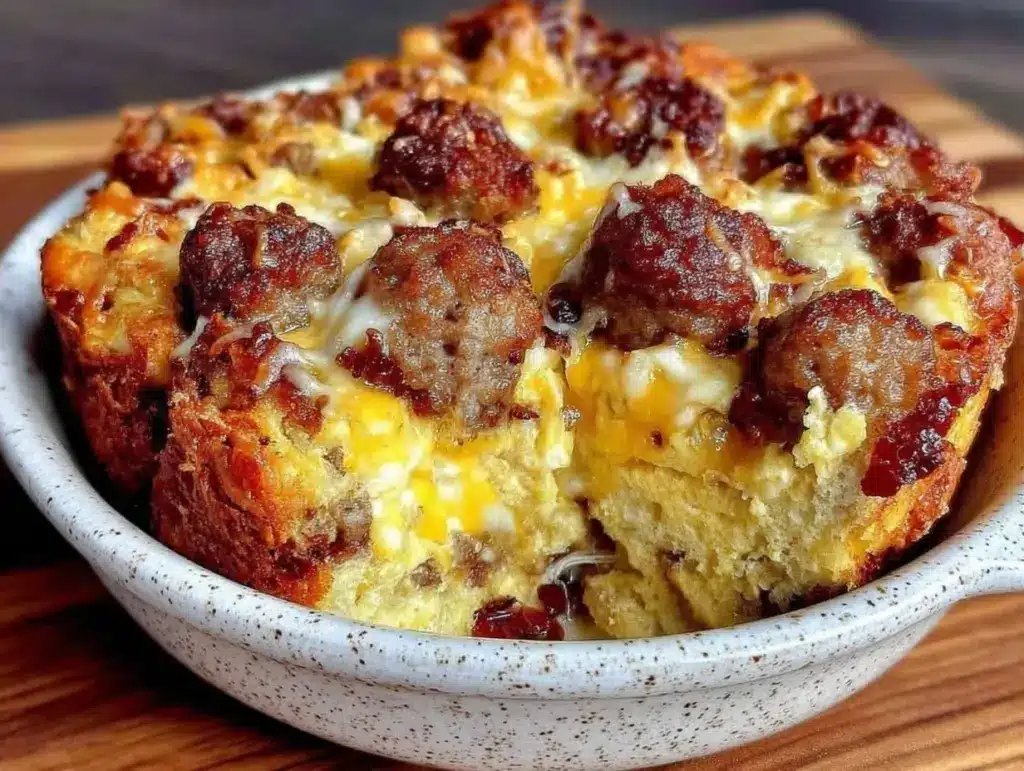
I’ve been making this sausage egg casserole for about three years now, and I can confidently say it has saved my mornings more times than I can count. It started with a problem that probably sounds familiar: I wanted to serve breakfast for guests, but I also wanted to actually talk to my guests instead of standing over the stove flipping eggs for forty-five minutes. I tried every “easy” breakfast bake I could find online, and they all had one thing in common—they were soggy. Mushy, wet, and disappointing by the time I cut into them.
Then I figured out the trick. It’s not complicated. It’s just about controlling moisture and using the right cheese. This Never-Soggy Sausage Egg Casserole with Sharp Cheddar is my answer to dry, bland breakfasts and complicated morning routines. It’s gluten-free, naturally low-carb, and tastes like a hug from the inside. I make it on weekends when I have time to prep, and I reheat slices during the week when I need fuel fast.
What makes this recipe special isn’t just that it works—it’s that it works every single time. The edges get crispy, the center stays fluffy but firm, and that sharp cheddar cuts through the richness of the sausage perfectly. I’ve tested this with different types of sausage, different cheeses, and even different baking dishes, and the result is always consistent. If you’ve ever been frustrated by breakfast casseroles that turn into egg soup, this is the one you need.
Why You’ll Love This Gluten-Free Breakfast Bake
There are plenty of breakfast recipes out there, but this one hits a sweet spot that’s hard to find. It’s hearty enough to keep you full until lunch, but light enough that you won’t feel weighed down. Here’s why this sausage egg casserole has become a staple in my kitchen:
- Actually Gluten-Free — No bread, no flour, no breadcrumbs. It’s naturally gluten-free, so you don’t have to substitute anything or worry about cross-contamination. It’s safe for celiacs and gluten-sensitive folks without tasting “diet food.”
- Zero Sogginess — I’ve solved the biggest problem with egg bakes. By using sharp cheddar and cooking it low and slow, the texture stays firm and sliceable, not wet or rubbery.
- Make-Ahead Friendly — You can assemble it the night before and just pop it in the oven in the morning. Or bake it fully, let it cool, and reheat slices later. It’s perfect for meal prep.
- High Protein — Eggs and sausage are protein powerhouses. This keeps your blood sugar stable and keeps you feeling satisfied. It’s a far cry from those sugary cereal mornings.
- Flexible — Want to add veggies? Go ahead. Prefer turkey sausage? Fine. The base recipe is forgiving and adapts to whatever you have in the fridge.
This isn’t just a recipe; it’s a solution. It’s proof that you can eat gluten-free and still have a breakfast that feels indulgent and comforting. I’ve served this to non-gluten-free friends, and they’ve asked for the recipe without ever knowing it was GF. That’s the kind of win I’m talking about.
Ingredients You’ll Need
Here’s the best part: you probably have most of these ingredients already. This isn’t a recipe that requires a trip to three different specialty stores. It’s simple, honest food. I’m particular about two things here—the sausage and the cheese—and I’ll tell you why.
For the Base
Breakfast sausage (1 pound / 450g) — I use pork sausage, preferably from a butcher or a brand with no fillers. If you’re avoiding pork, turkey sausage works too, but pork has more flavor. Cook it until browned and crumbled. Drain the excess grease, but leave a little bit—it adds flavor.
Eggs (10 large eggs) — Room temperature eggs bake more evenly, but cold eggs work fine if you’re in a rush. I crack them into a large bowl and whisk them well. Don’t skip the whisking; you want air in there for a fluffy texture.
Heavy cream or half-and-half (½ cup / 120ml) — This is what keeps the eggs moist without making them watery. I use heavy cream for richness, but half-and-half works if you want to lighten it up. Milk is too thin and can make the casserole soggy.
Sharp cheddar cheese (2 cups / 200g, shredded) — This is non-negotiable. Sharp cheddar has more flavor and melts better than mild cheddar. Buy a block and shred it yourself. Pre-shredded cheese has anti-caking agents that prevent it from melting smoothly, and you want that gooey, cheesy goodness.
For the Flavor

Dijon mustard (1 teaspoon) — It sounds weird in a breakfast dish, but it adds depth and complexity. You won’t taste the mustard; you’ll just taste a richer, more savory egg.
Garlic powder (½ teaspoon) — Fresh garlic can burn, so I use powder for even distribution. It adds a subtle background note that ties everything together.
Dried thyme (½ teaspoon) — Fresh thyme is great, but dried is more concentrated and holds up better in the oven. A little goes a long way.
Salt and black pepper — To taste. I use about 1 teaspoon of salt and ½ teaspoon of pepper, but adjust based on your sausage’s sodium content.
Optional Add-ins
Diced bell peppers (½ cup) — Adds color and a slight crunch. Sauté them with the sausage if you want them softer.
Chopped onions (½ cup) — Sweet onions or yellow onions work well. Again, sautéing them first brings out their sweetness.
Fresh chives (2 tablespoons, chopped) — Sprinkle on top before serving for a fresh, oniony bite. It makes the dish look professional.
Equipment Needed
You don’t need fancy equipment for this. Here’s what I actually use:
9×13 inch baking dish — I use a ceramic or glass dish. It distributes heat evenly and gives you nice crispy edges. A metal pan works too, but it might cook faster on the bottom.
Large skillet — For browning the sausage. Cast iron is my go-to because it gets hot and stays hot, but any heavy skillet works.
Large mixing bowl — Big enough to whisk all ten eggs comfortably. I use a 4-quart bowl.
Whisk — Standard wire whisk. No need for an electric mixer here.
Box grater — For shredding the cheddar. Takes about 2 minutes.
Spatula — For spreading the mixture evenly in the dish.
How to Make It: Step-by-Step
Alright, let’s make this! I’m walking you through exactly how I do it, including the little tricks I’ve picked up over the years. This is easier than scrambling eggs, I promise.
Step 1: Prep Your Pan and Oven (5 minutes)
Preheat your oven to 350°F (175°C). Grease your 9×13 inch baking dish with butter or cooking spray. I use butter because it adds flavor, but spray is fine if you’re watching calories. Set it aside.
Step 2: Cook the Sausage (10 minutes)
Heat your skillet over medium-high heat. Add the sausage and break it up with a spoon as it cooks. Cook until browned and no longer pink, about 8-10 minutes. Drain excess grease, but leave about a tablespoon in the pan for flavor. If you’re adding onions or peppers, sauté them in that sausage fat now until soft. Let the sausage cool slightly while you whisk the eggs.
Step 3: Whisk the Egg Mixture (5 minutes)
In your large bowl, crack the eggs. Add the heavy cream, Dijon mustard, garlic powder, dried thyme, salt, and pepper. Whisk vigorously for about a minute. You want the mixture to be uniform and slightly frothy. This incorporates air and helps the casserole rise and stay fluffy.
Step 4: Combine Everything (5 minutes)
Pour the egg mixture into the prepared baking dish. Scatter the cooked sausage and shredded cheddar cheese evenly over the top. Don’t mix it all together yet; let the cheese sit on top so it gets nice and golden and crispy in the oven.
Step 5: Bake (45-50 minutes)
Place the dish in the preheated oven. Bake for 45-50 minutes. You’ll know it’s done when the edges are set and slightly puffed, and the center is just barely jiggly. It will firm up as it cools. Do not overbake it, or it will become dry and rubbery.
Step 6: Rest and Serve (10 minutes)
Remove the casserole from the oven and let it rest for 10 minutes. This is crucial. It allows the eggs to set completely and makes slicing much easier. Sprinkle with fresh chives if using. Cut into squares and serve warm.
Total Time: About 1 hour (15 minutes active, 45 minutes baking)
Expert Tips & Tricks
Here’s everything I’ve learned from making this dozens of times. These tips will save you from my mistakes.
Don’t Skip the Rest
I know it’s tempting to cut into it right away, but the eggs need time to set. If you cut it hot, it will fall apart. Ten minutes of patience is worth it.
Shred Your Own Cheese
I cannot stress this enough. Pre-shredded cheese has cornstarch in it to prevent clumping. That cornstarch prevents the cheese from melting smoothly. Your casserole will be gritty if you use pre-shredded. Buy a block of sharp cheddar and grate it. It takes two minutes.
Drain the Sausage Grease
If your sausage is very greasy, drain it well. Too much grease can make the bottom of the casserole soggy. You want the sausage to be crispy, not swimming in oil.
Low and Slow
350°F is the sweet spot. Higher heat can cause the eggs to curdle or separate. Lower heat makes it take too long. This temperature gives you the perfect balance of cooking through and browning the top.
Make-Ahead Strategy
You can assemble the casserole the night before, cover it tightly with plastic wrap, and refrigerate it. In the morning, just pop it in the oven. You may need to add 5-10 minutes to the baking time since the dish will be cold.
Variations & Substitutions
Once you’ve nailed the basic version, here’s how you can mix it up. I’ve tried all of these.
Turkey Sausage Version
Use ground turkey sausage instead of pork. It’s leaner and has a milder flavor. You might want to add a little extra salt and pepper to compensate.
Veggie-Loaded
Add 1 cup of diced spinach, mushrooms, or bell peppers. Sauté them with the sausage first to remove excess moisture. This adds volume and nutrients without changing the texture.
Spicy Kick
Use spicy breakfast sausage or add a teaspoon of cayenne pepper or red pepper flakes to the egg mixture. Great if you like heat.
Dairy-Free Option
Replace the cheddar with a dairy-free cheese alternative. Use coconut milk or oat milk instead of heavy cream. It won’t be exactly the same, but it’s still delicious. I’ve made this for dairy-free friends, and they loved it.
Gluten-Free Bread Add-in
If you want a heartier texture, add 2 cups of cubed gluten-free bread to the dish. Layer the bread, sausage, and cheese, then pour the egg mixture over it. This is similar to a strata. I like this version for larger gatherings.
Serving & Storage
How to Serve:
I usually serve this straight from the dish at the brunch table. It looks rustic and inviting. Pair it with fresh fruit, like berries or sliced melon, to balance the richness. A side of crispy bacon or crispy bacon egg and cheese croissant bake elements can add extra crunch if you’re feeling fancy.
Leftovers:
Store leftovers in an airtight container in the refrigerator for up to 4 days. The casserole will firm up in the fridge, which is normal.
Reheating:
Reheat slices in the microwave for 30-60 seconds, or in a 350°F oven for 15-20 minutes until warmed through. Microwave reheating can sometimes make eggs rubbery, so if you have time, the oven is better. It restores that soft, custardy texture.
Freezing:
This casserole freezes well. Bake it completely, let it cool, and cut into squares. Wrap each square tightly in plastic wrap and foil, then freeze for up to 3 months. Thaw in the fridge overnight and reheat in the oven or microwave.
Nutrition Information
I’m not a nutritionist, but here’s the breakdown if you’re tracking. This is a high-protein, low-carb meal.
Per Serving (based on 12 servings):
- Calories: 280
- Protein: 22g
- Carbs: 2g
- Fiber: 0g
- Fat: 20g
- Sodium: 650mg
This is naturally gluten-free and dairy-free if you use dairy-free cheese. It’s a great option for keto or low-carb diets. The protein content keeps you full, and the lack of carbs means no sugar crash later.
Final Thoughts
So that’s my go-to never-soggy sausage egg casserole! I’ve talked your ear off at this point, but when you make a recipe this often, you have a lot to say about it. This has saved my mornings more times than I can count. It’s my answer to “what’s for breakfast?” when I’m tired, don’t want to cook, and still want something that tastes really good.
Make it yours! Try different sausages, swap in your favorite veggies, or add a different cheese. The best recipes are the ones you adapt to your family’s tastes. If you make this, drop a comment and let me know what you think! I love hearing how recipes turn out in your kitchen. And if something doesn’t work, tell me that too—I’m here to help troubleshoot.
Happy cooking! And I hope your kitchen smells half as good as mine does right now.
Frequently Asked Questions
Can I use mild cheddar instead of sharp?
You can, but the flavor will be much milder. Sharp cheddar has a tangy bite that cuts through the richness of the eggs and sausage. If you only have mild cheddar, consider adding a little extra seasoning, like garlic powder or paprika, to boost the flavor.
Why did my casserole turn out watery?
This usually happens if the sausage wasn’t drained well, or if you used milk instead of cream. Milk has more water content and can make the eggs soggy. Also, make sure you’re not overmixing the eggs, which can incorporate too much air and cause separation. Drain the sausage thoroughly and use heavy cream or half-and-half.
Can I make this ahead for a party?
Yes! Assemble the casserole the night before, cover it, and refrigerate. In the morning, just pop it in the oven. You may need to add 10-15 minutes to the baking time. This is perfect for holiday brunches or weekend guests.
Is this recipe gluten-free?
Yes, this recipe is naturally gluten-free. There’s no bread, flour, or breadcrumbs. Just make sure your sausage doesn’t have any gluten-containing fillers, which is rare but possible. Most breakfast sausages are safe.
How do I reheat leftovers without it getting dry?
Reheat in the oven at 350°F for 15-20 minutes. This gentle heat restores the moisture better than the microwave. If using the microwave, add a splash of water or cream to the plate and cover it with a damp paper towel to trap steam.
Can I freeze this casserole?
Yes, it freezes well. Bake it, cool it, cut it into squares, and wrap tightly. Freeze for up to 3 months. Thaw in the fridge and reheat in the oven.
What if I don’t have heavy cream?
Half-and-half is a good substitute. Milk will work but may result in a slightly less rich texture. If you’re out of dairy, you can use coconut milk or oat cream, though the flavor will change slightly.
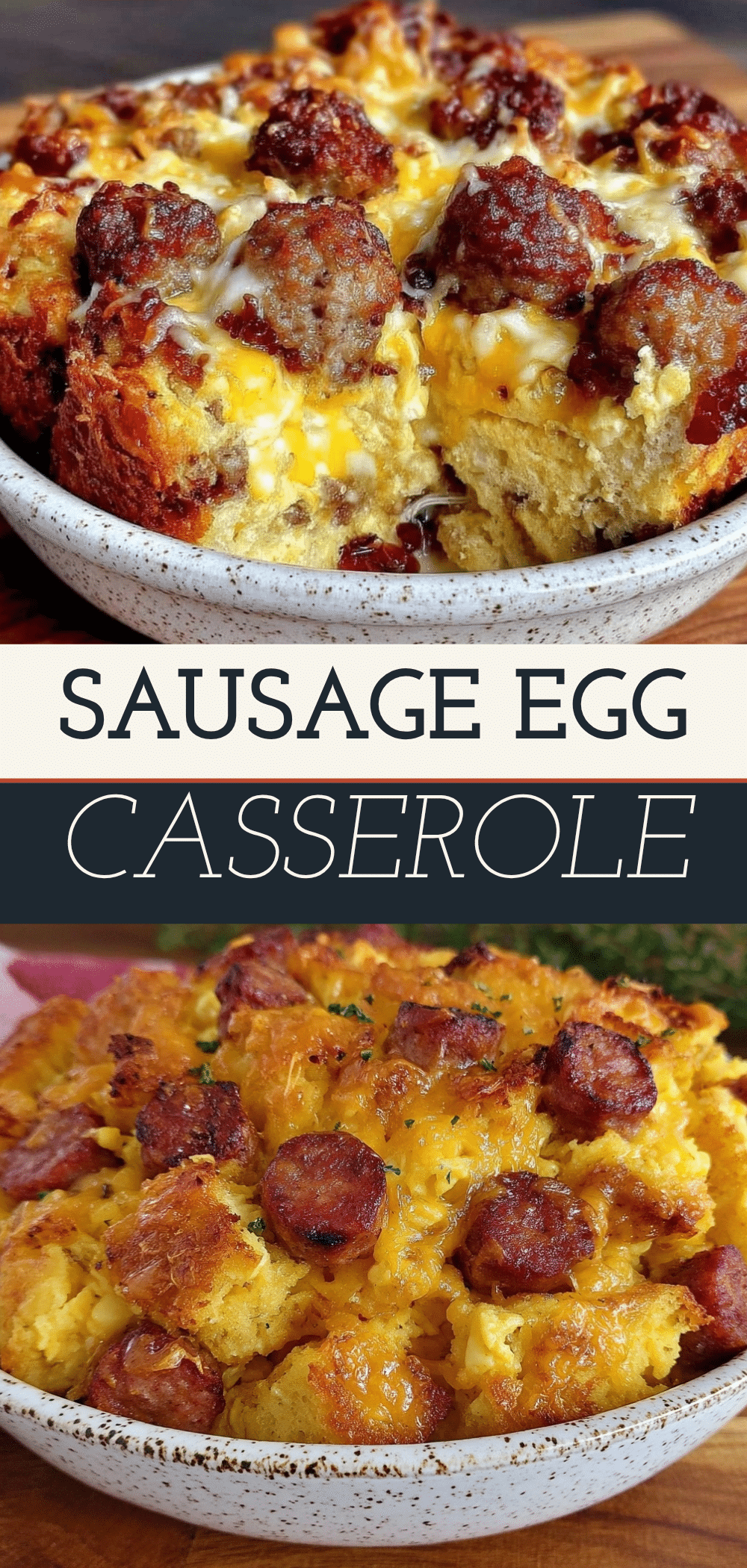
Pin This Recipe!
Never-Soggy Sausage Egg Casserole: Best Gluten-Free Recipe
- Total Time: 1 hour
- Yield: 12 servings 1x
Description
A hearty, naturally gluten-free breakfast casserole that stays firm and sliceable, avoiding the common issue of sogginess. It features browned sausage, sharp cheddar cheese, and a fluffy egg base, making it perfect for meal prep and weekend brunches.
Ingredients
- 1 pound breakfast sausage (pork or turkey)
- 10 large eggs
- 1/2 cup heavy cream or half-and-half
- 2 cups sharp cheddar cheese, shredded
- 1 teaspoon Dijon mustard
- 1/2 teaspoon garlic powder
- 1/2 teaspoon dried thyme
- 1 teaspoon salt (adjust to taste)
- 1/2 teaspoon black pepper
- 1/2 cup diced bell peppers (optional)
- 1/2 cup chopped onions (optional)
- 2 tablespoons fresh chives, chopped (optional)
Instructions
- Preheat oven to 350°F (175°C). Grease a 9×13 inch baking dish with butter or cooking spray.
- Heat a large skillet over medium-high heat. Cook the sausage, breaking it up with a spoon, until browned and no longer pink (8-10 minutes). Drain excess grease, leaving about a tablespoon for flavor. If using onions or peppers, sauté them in the sausage fat until soft.
- In a large mixing bowl, crack the eggs. Add heavy cream, Dijon mustard, garlic powder, dried thyme, salt, and pepper. Whisk vigorously for about a minute until uniform and slightly frothy.
- Pour the egg mixture into the prepared baking dish. Scatter the cooked sausage and shredded cheddar cheese evenly over the top. Do not mix; let the cheese sit on top.
- Bake for 45-50 minutes until the edges are set and slightly puffed, and the center is just barely jiggly.
- Remove from oven and let rest for 10 minutes to allow the eggs to set completely. Sprinkle with fresh chives if using, then cut into squares and serve warm.
Notes
Shred your own cheese to avoid anti-caking agents that prevent smooth melting. Ensure sausage is drained well to prevent sogginess. Let the casserole rest for 10 minutes before cutting to ensure it holds together. Can be assembled the night before and refrigerated; add 5-10 minutes to baking time if baking from cold.
- Prep Time: 15 minutes
- Cook Time: 45 minutes
- Category: Breakfast
- Cuisine: American
Nutrition
- Serving Size: 1 square slice
- Calories: 280
- Sugar: 1
- Sodium: 650
- Fat: 20
- Saturated Fat: 8
- Carbohydrates: 2
- Protein: 22
Keywords: gluten-free breakfast, sausage egg casserole, make-ahead brunch, keto breakfast, high protein breakfast, never soggy casserole